Perimenopause Is Not Old Age — And Kenyan Women Deserve To Know What's Coming
L
Leisure Collective
Author
239
0
0
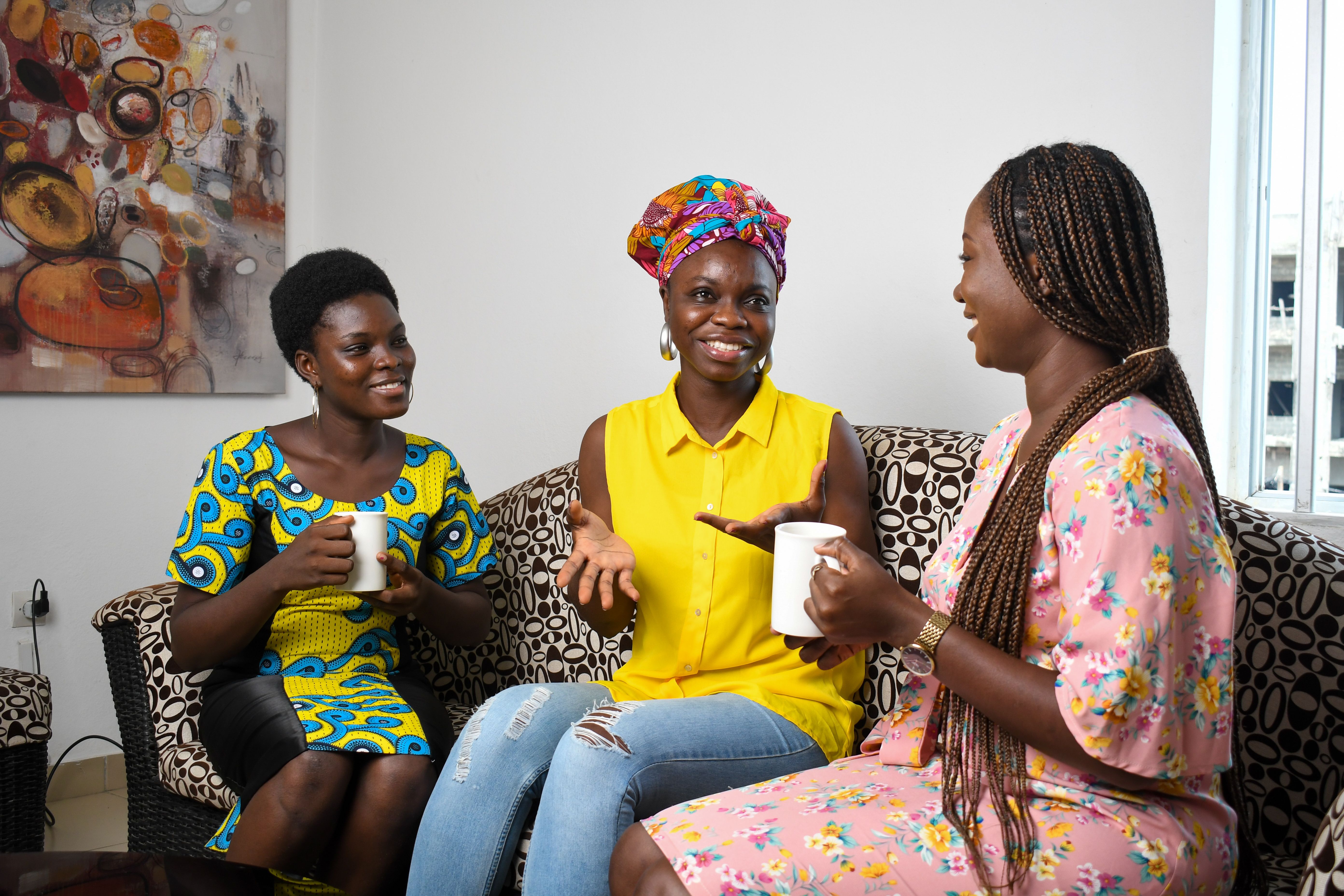
You're not losing your mind. You're not "just stressed." If you're a woman in your late 30s or 40s noticing your body and mood shifting in ways you can't explain, there's a name for it — and Kenya is only just starting to talk about it openly.
She is 41. Her periods have become unpredictable. She wakes up at 3am, heart racing, drenched in sweat. She snaps at her children over things that never used to bother her. Her doctor tells her she's "just stressed".
She is not just stressed. She is in perimenopause — and almost nobody told her this was coming.
Kenya Just Started Talking About This – Out Loud
For generations, menopause in Kenya has been something women whispered about, endured alone, or didn't name at all. That began to shift on August 20, 2025, when ICRW Africa and Reproductive Health Network Kenya hosted the country's first-ever National Conference on Menopause – described as a milestone bringing dignity, awareness, and urgency to a long-overdue conversation.
The timing matters. By the late 2020s, an estimated 76% of postmenopausal women globally will live in developing countries, many of them in Africa — and with nearly a billion women reaching menopause worldwide by 2025, often at the peak of their careers, the need for real health information and workplace support is no longer optional.
AfyaWatch254's question, as always: a national conference happened. What changed after it?
What's Actually Happening In Your Body
Perimenopause is the transition period leading up to menopause, when your ovaries gradually produce less estrogen and progesterone. It can start in your late 30s or 40s — years before periods stop completely — and typically lasts several years.
Common signs include irregular periods that come closer together or further apart, hot flushes and night sweats, mood swings or increased irritability, sleep disruption, vaginal dryness, and brain fog or memory lapses. Menopause itself is marked by 12 consecutive months without a period — but the lead-up is where most of the confusion and suffering happens, precisely because so few women are told to expect it.
Globally, 70% of women report that menopause symptoms affect their mood or mental health — yet only three in ten ever seek or receive support for it. There's no reason to believe Kenyan women fare better, especially with even less public information available locally.
Women suffer in silence because they fear being judged or overlooked for promotions. They'll lie about what they're going through because there's so much stigma.-Ms. Nyakoboke of Ova Circle, a Kenyan organisation working directly with companies to build menopause-inclusive workplace policies.
That stigma has a cost. A woman who doesn't understand she's in perimenopause may interpret her own symptoms as personal failure — losing her temper, losing her focus, losing her sense of self — instead of recognising a biological transition every woman who lives long enough will go through.
Ova Circle is modelling its workplace approach on existing frameworks Kenya already has for breastfeeding mothers — proof that workplace accommodation for women's biology isn't a new concept here. It just hasn't been extended to this life stage yet.
The global conversation on menopause is shifting too. Menopause is increasingly understood not just as a reproductive transition but a neurological one — affecting brain function, mood regulation, and long-term cognitive health, not only fertility. That reframing matters: it positions menopause care as essential healthcare, not a lifestyle inconvenience to push through quietly.
What You Can Do Right Now
Track your symptoms. A simple note on your phone — period dates, sleep quality, mood, hot flushes — gives you and any doctor you see real data instead of vague impressions.
Talk to a doctor who takes this seriously. If you're dismissed as "just stressed" or "too young", seek a second opinion. Perimenopause can start earlier than most people assume.
Know your options. Hormone therapy, lifestyle adjustments, and symptom-specific treatments all exist. Not every woman needs or wants hormone therapy — but every woman deserves to know it's a real, medically supported option to discuss.
Talk to other women. The silence around menopause in Kenya is breaking, slowly. Sharing what you're experiencing with peers, sisters, or a women's group can be its own form of relief — you are very likely not the only one in your circle going through this quietly.
If you're an employer: Consider what Ova Circle is building. Flexibility, understanding, and basic accommodation cost little and prevent capable women from being pushed out of their careers during an entirely natural transition.
Kenya finally said the word "menopause" out loud, on a national stage, in 2025. That is progress worth acknowledging.
But progress that stops at a conference is just a headline. Kenyan women in their late 30s, 40s, and 50s need ongoing clinical training for doctors who currently misdiagnose perimenopause as stress or depression; workplace policies that don't currently exist outside pilot programmes; and public information that doesn't require stumbling onto an NGO's report to access.
You are not losing your mind. Your hormones are changing, your body is transitioning, and you deserve real answers — not silence dressed up as resilience.
→ Resources:
Ova Circle (workplace menopause policy support): Search "Ova Circle Kenya" for current contact details
Talk to a gynaecologist or endocrinologist if symptoms are disrupting your daily life — you do not need to wait for menopause to be "confirmed" to seek support