El Niño Is Coming to Kenya. Here's What It Will Do to Your Health.
L
Leisure Collective
Author
208
0
0
Kenya's meteorologists give an 81% probability of a strong El Niño from October. That means floods. And floods in Kenya don't just destroy property — they carry disease. Here's what's coming and how to get ahead of it.
The forecast is in. Kenya's Meteorological Department has assessed an 81% probability of a strong El Niño event from October 2026, with a 97% likelihood that it continues into early 2027. The World Meteorological Organization says the pattern is intensifying, with sea-surface temperature anomalies already exceeding 2.9°C.
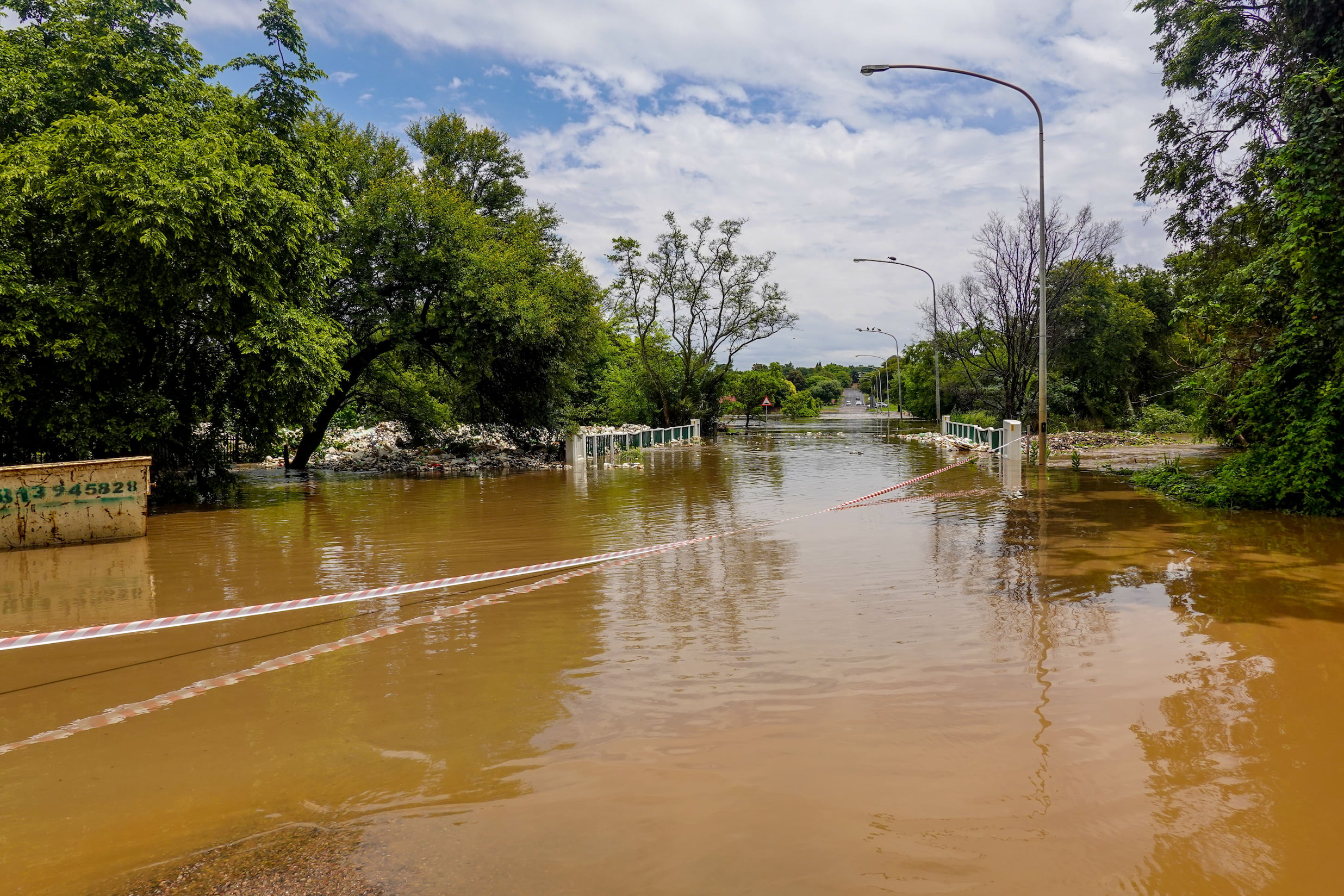
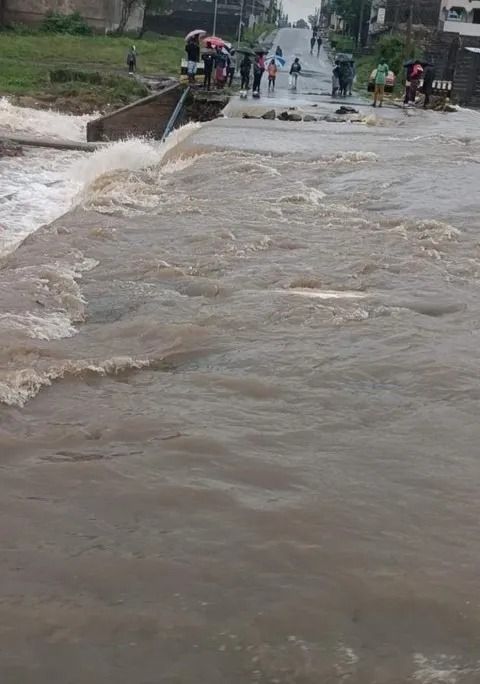
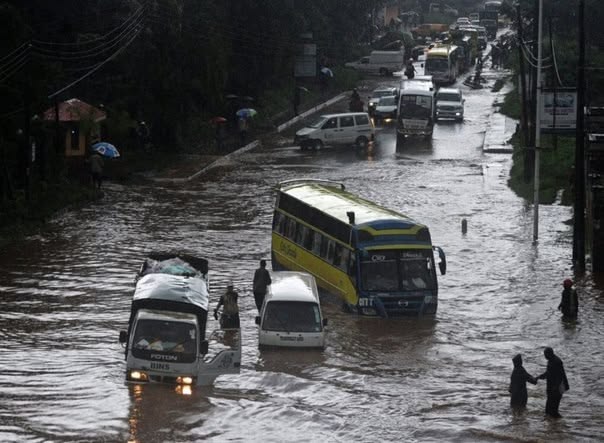
What that means, in plain terms: above-normal rainfall, flash floods, riverine flooding, and disruption to infrastructure — starting in October and running through the end of the year.
The National Disaster Operations Centre estimates that about 1.5 million Kenyans could be affected. Around 500,000 may be displaced.
Floods destroy property. They disrupt transport. They bring down roads and bridges. All of that is real and serious. But in Kenya — where WASH infrastructure is stretched, drainage is inadequate, and the health system was already under strain before any flood season — the most urgent and least-discussed consequence of El Niño is disease.
This is what is coming. And this is what to do about it before October arrives.
Floods do not just bring water. They bring everything the water has touched — sewage, agricultural runoff, animal waste, soil contaminants — into contact with drinking sources, food supplies, and the surfaces of everyday life. Four diseases will spike. All four are preventable if you act before the rains.
Cholera
Cholera is Kenya's most predictable flood-season threat. The country was already fighting an active cholera outbreak before the long rains of March 2026, with data showing 244 confirmed cases and 11 deaths by mid-May. That outbreak was never fully contained. El Niño rains landing on top of an already-strained WASH environment will drive case numbers higher.
Floodwater carries the Vibrio cholerae bacteria from contaminated water sources into piped supply systems, boreholes, rivers, and hand-dug wells. In Nairobi's informal settlements — Kibera, Mathare, Mukuru — where drainage and sanitation infrastructure is minimal, the contamination pathway is direct and fast.
Cholera's severity is frequently underestimated because most people associate it with dehydration and assume they can manage it at home. The truth: cholera can kill a healthy adult within hours of symptom onset through severe fluid loss. Children, the elderly, and people who are already unwell face the highest risk. Oral rehydration solution is life-saving in mild cases. Severe cases need IV fluids and hospital care, fast.
Malaria
El Niño creates the conditions malaria needs. Flooding produces standing water everywhere — in broken drains, potholes, discarded containers, low-lying land around homes. Standing water is where Anopheles mosquitoes breed. More breeding sites mean higher mosquito density. Higher mosquito density means more malaria transmission.
This is not theoretical. The 1997-1998 El Niño triggered malaria epidemics across East Africa on a scale that overwhelmed health systems. Kenya's highlands — areas that normally see low malaria transmission because of altitude and temperature — saw cases spike dramatically during that cycle. The same pattern is expected.
The practical implication: if you are in a malaria-endemic area, or planning to be during the October-December period, your prevention measures need to be active and consistent — not optional.
Rift Valley Fever (RVF)
This is the one most Kenyans have not heard enough about. The Intergovernmental Authority on Development's Climate Prediction and Applications Centre put out an explicit warning in August 2026: Kenya is at heightened risk of a Rift Valley Fever outbreak driven by El Niño flooding.
RVF is a viral disease transmitted from infected livestock to humans through contact with the blood, fluids, or organs of sick animals, or through bites from infected mosquitoes. The virus thrives when flooding creates conditions for mass mosquito breeding and when livestock — goats, cattle, sheep, camels — move across county lines as communities are displaced.
For most adults, RVF causes a flu-like illness that resolves. For a minority — around 8-10% — it progresses to haemorrhagic fever, encephalitis, or retinal disease causing permanent vision loss. There is no widely available treatment. The advice from ICPAC is direct: avoid handling sick or dead animals during the flood season, cook all meat thoroughly, and seek medical attention quickly if you develop fever after animal contact.
Waterborne diarrhoeal diseases — cholera's less dramatic cousins
Beyond cholera, floods increase the transmission of typhoid, dysentery, hepatitis A, and general acute watery diarrhoea. These are less dramatic in name but collectively responsible for more disease burden than cholera in most flood seasons. Children under five bear the heaviest load.
Why Nairobi is not safer than rural Kenya
There is a temptation for Nairobi residents to read about flood preparedness as something that applies to rural or coastal communities. The data says otherwise.
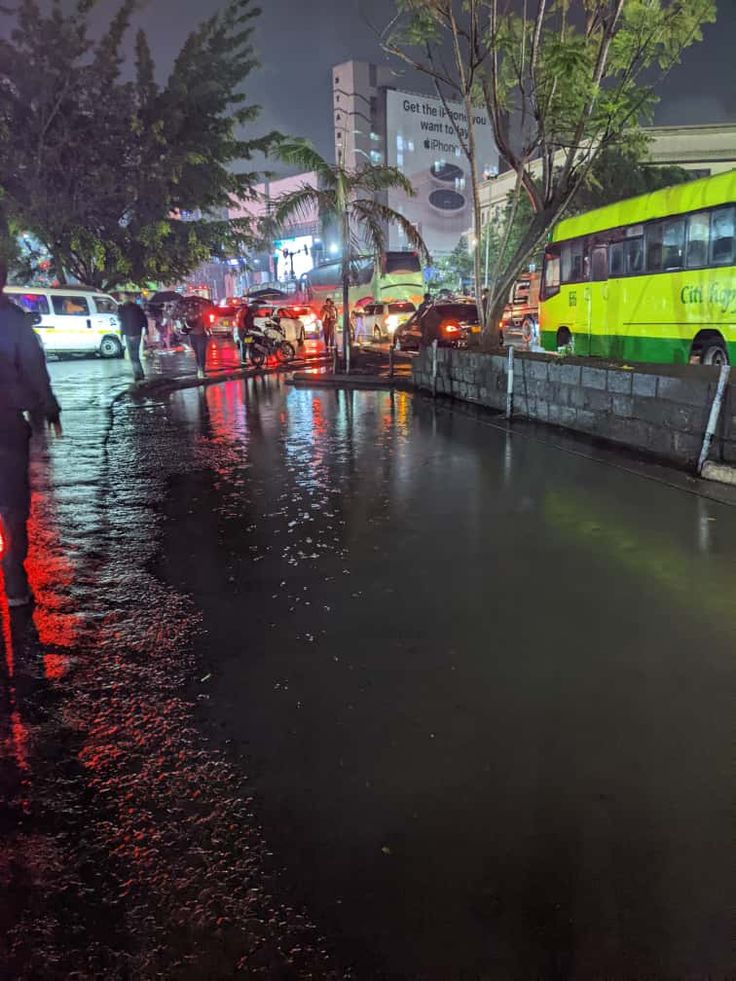
Nairobi, Mombasa, and Kisumu have been explicitly flagged as high-risk urban centres for the 2026 El Niño by the UN's analysis. In March 2026 — before El Niño proper — Nairobi already experienced significant flooding along Kenyatta Avenue, in Industrial Area, and in low-lying estates, with a cholera expert publicly warning that Kenya must brace for outbreak conditions given already-contaminated drinking sources.
The reason Nairobi is vulnerable is structural. Drainage systems in large parts of the city were not designed for the volumes of rainfall above-normal seasons bring. Informal settlements — where roughly 60% of Nairobi's population lives — are built on flood plains, lack stormwater drainage, and share sanitation infrastructure that breaks down under flood pressure.
In a Nairobi flood season, the water that comes over your compound wall has picked up everything from the road, the drainage channel, and the open sewer further uphill. The health risk starts at your gate.
The most effective public health intervention during any disease outbreak is the one that happens before the outbreak begins. These actions, taken in the next four to eight weeks, will meaningfully reduce your household's risk.
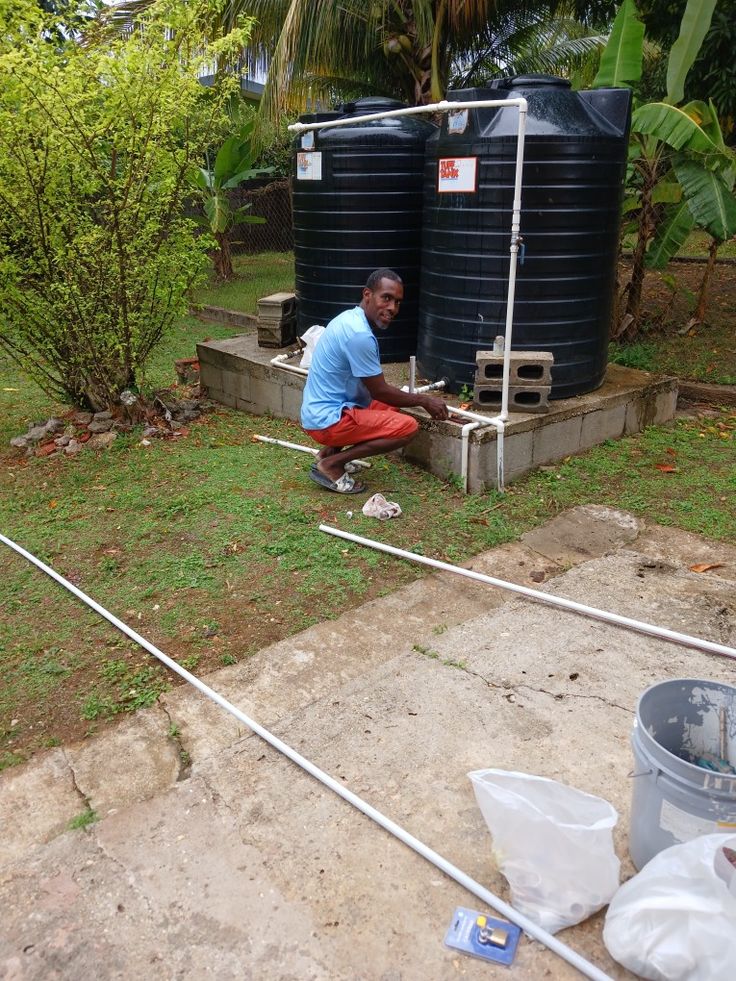
Water storage and treatment Do not rely on piped supply remaining safe during peak flood conditions. Store clean water now in properly sealed containers. During flood season, treat any water of uncertain quality — boiling for at least one minute, or using water purification tablets. ORS sachets should be stocked in every household, particularly where young children are present.
Drainage around your home Walk around your compound and identify where water collects during rain. Clear any blockages in drains now. Empty any containers — old tyres, buckets, flower pots, broken gutters — that will hold standing water. This is your first line of defence against both malaria and dengue mosquito breeding.
Mosquito net and repellent El Niño mosquito surge hits both day-biting mosquitoes (Aedes, which carries dengue) and night-biting mosquitoes (Anopheles, which carries malaria). A treated bed net is essential for night protection. Insect repellent on exposed skin is essential for daytime.
Know your cholera and diarrhoea response If a child under five develops watery diarrhoea during flood season, do not wait to see if it improves. Start ORS immediately. Seek medical care within 24 hours if it is not resolving. Do not give anti-diarrhoeal medications that stop the gut from expelling — in cholera specifically, these make the illness worse.
If you live in a flood-prone area, identify your evacuation route now The NDOC's worst-case scenario includes 500,000 displaced Kenyans. Counties at highest structural risk include those in the Coast, Lake Basin, Rift Valley, and North Eastern regions. Knowing where you will go and how you will get there before the roads flood is a decision that is easy to make in September and impossible to make in November.
For livestock keepers — reduce RVF risk Pastoralist communities and anyone keeping cattle, goats, sheep, or camels: monitor your animals closely during flood season. Report any unusual deaths or illness to your county veterinary office immediately. Wear gloves when handling animals or assisting with births. Do not slaughter or handle sick animals without protective equipment.
The SHA question — will the system cope?
Kenya's health system enters El Niño season with a Ksh 116 billion SHA deficit, ongoing disputes over SHA reimbursement rates with hospitals, and a primary care network that remains under-resourced in the very counties most exposed to flooding.
The 2023-2024 El Niño event reached health facilities directly — hospitals were damaged, roads washed out, referral chains broke down. Communities in Tana River County are still recovering.
This is not a counsel of despair. It is a reason to prepare individually, at household and community level, rather than assuming the health system will absorb the impact.
AfyaWatch254 Says: The Flood Is Predictable. The Disease Is Preventable.
El Niño is coming. The forecast probability is 81%. That is not a maybe — that is a near-certainty. The flooding it will bring will be a natural event. The disease burden it creates will be a policy and infrastructure failure, built up over years of under-investment in drainage, sanitation, and primary health care.
What you can control is your household's preparedness in the eight weeks between now and October. Clean water storage. Cleared drains. Mosquito nets. ORS sachets. An evacuation plan.
The disease outbreaks that follow El Niño flooding are not inevitable. They are predictable. And predictable means preventable — for the people who know what is coming and act before it arrives.