Kenya Health Summit 2026: The Numbers Look Good. The Patient Experience Doesn't.
L
Leisure Collective
Author
22
0
0
The government said reforms have been delivered. The numbers they presented were real. So were the ones they didn't mention — the Ksh26.87 billion owed to county hospitals, the Ksh11 billion lost to fraud, and the 27 million registered Kenyans who haven't paid a single contribution.
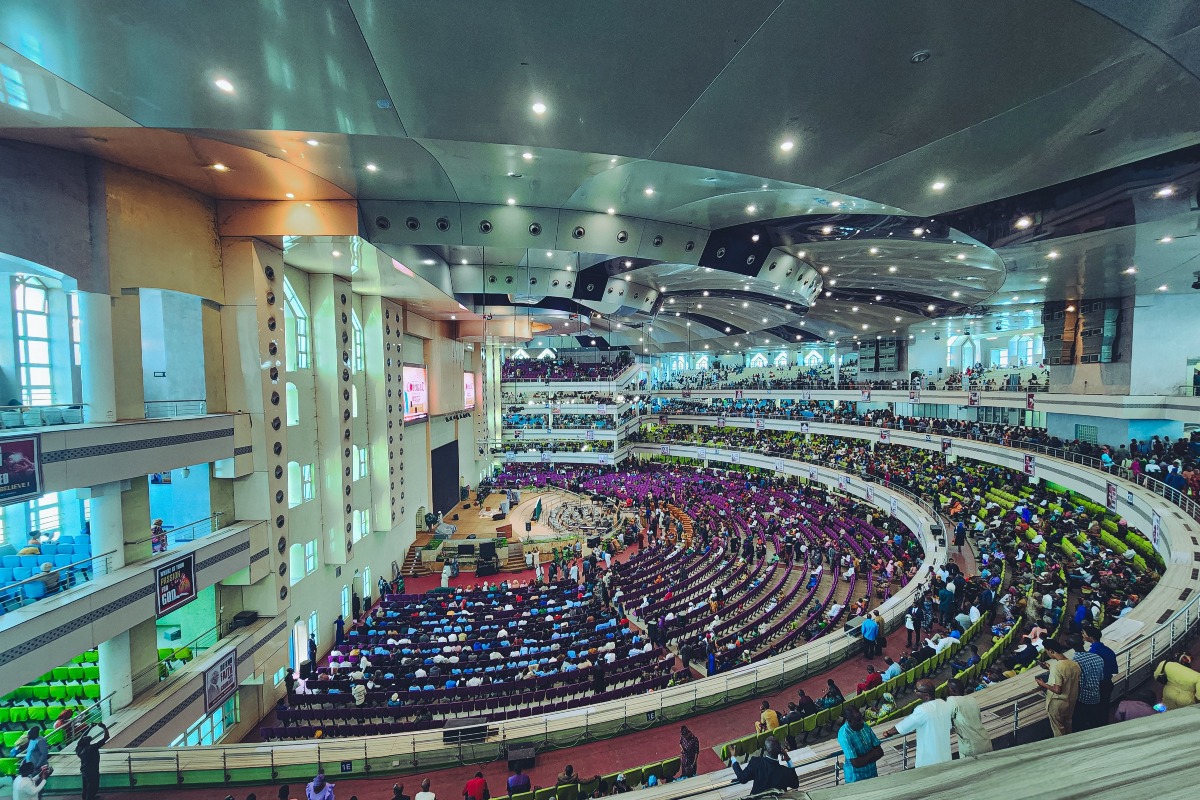
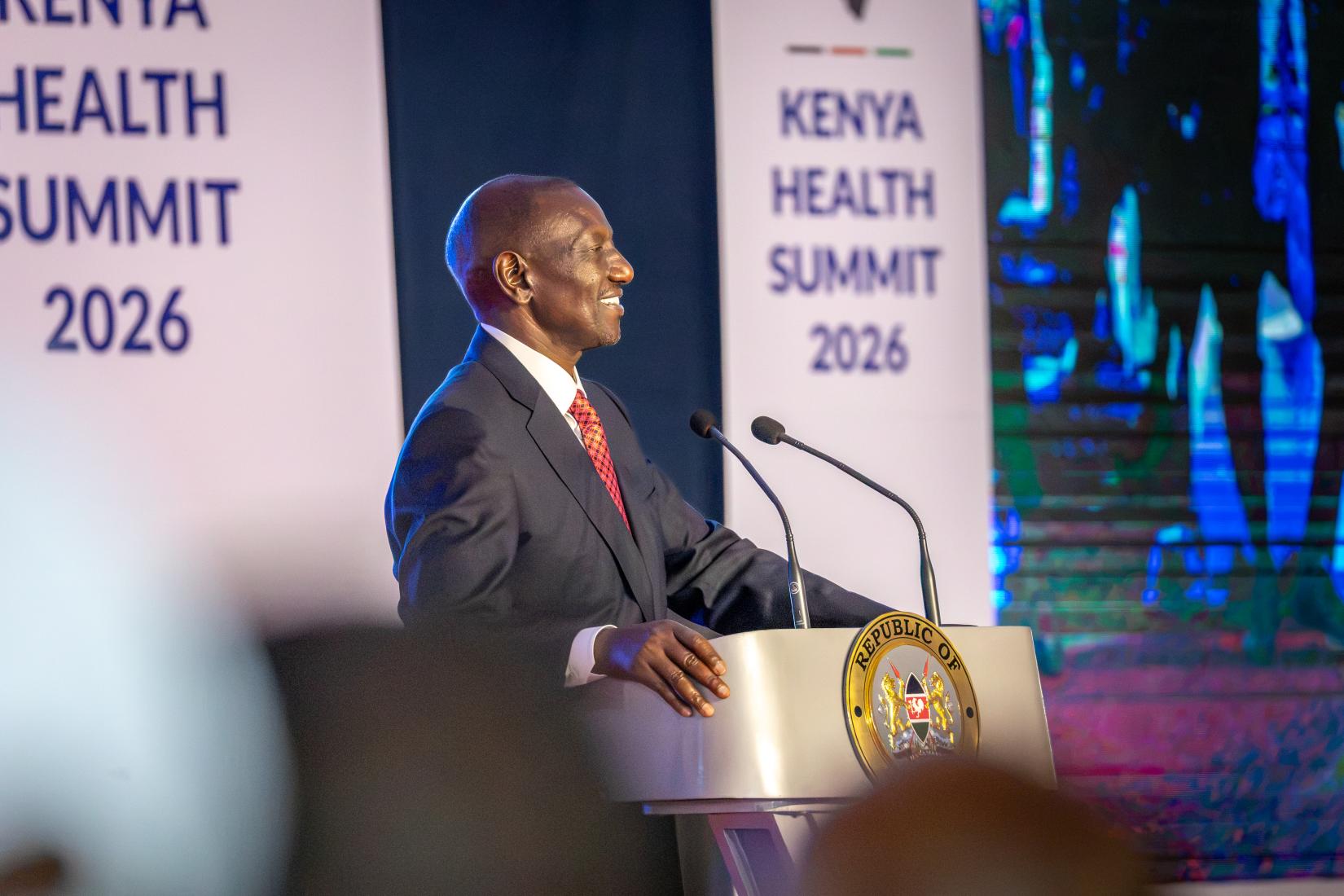
On August 18, President Ruto stood before 5,000 delegates at the Kenyatta International Convention Centre and gave himself a scorecard.
The theme was "Reforms Delivered, Health as a Right." The tone was confident. The numbers were big. 32.3 million Kenyans registered under SHA. 1.2 million mothers supported to deliver safely. 500,000 surgical procedures covered. Child immunisation up from 78% to 97%. New HIV infections down 37% since 2022.
These numbers are real. They represent genuine progress. AfyaWatch254 is not here to dismiss them.
But a scorecard only means something if it shows the full picture. The government presented the gains. The gaps — which also appear in official data, parliamentary records, and the Controller of Budget's own reports — received far less stage time.
What the summit said — and what the numbers actually show
The headline: 32.3 million Kenyans registered with SHA
This is the most-cited figure from the summit and it is accurate. It is also, on its own, misleading.
Registration and active coverage are not the same thing. Data presented to Parliament shows that of the 32.3 million registered, only about 5 million had made premium payments by July 2026. That means roughly 27 million registered Kenyans are either not contributing or are covered only through government subsidies — a pool that depends entirely on budget allocations that have historically been delayed or underfunded.
SHA collected Ksh203.7 billion and paid out Ksh178.4 billion to healthcare providers. The gap — Ksh25.3 billion — is not profit. It is the difference between what the system has taken in and what it has been able to disburse, in a scheme already facing a Ksh116 billion structural deficit.
The government said 8 million Kenyans had received treatment through SHA. That is 8 million out of 32.3 million registered. One in four. The other three are enrolled in a system they have not yet been able to access.
The gap nobody mentioned on stage: Ksh26.87 billion owed to county hospitals
The Controller of Budget's report, published before the summit, found that SHA owed county health facilities at least Ksh26.87 billion as of March 31, 2026. That figure was more than three times the Ksh8.29 billion outstanding just three months earlier, in December 2025.
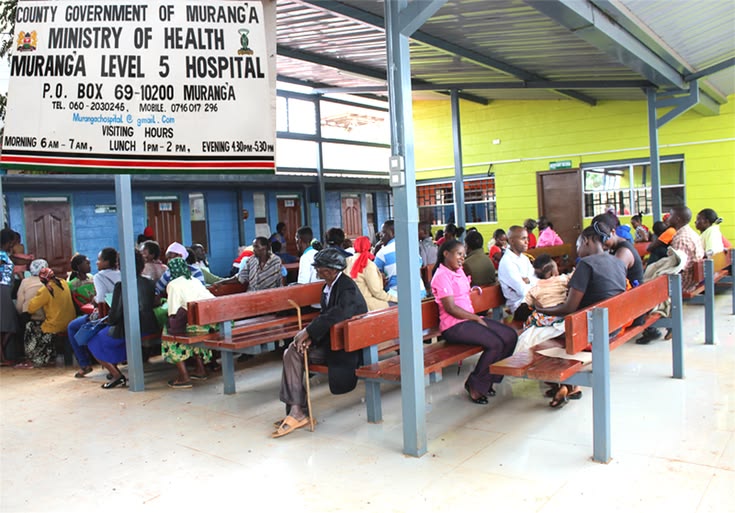
These are the hospitals that serve the majority of Kenyans — Level 2, Level 3, and Level 4 county facilities that handle routine care, maternity services, and emergency treatment in every county. When SHA doesn't pay them, they cannot procure drugs, maintain equipment, or pay staff on time.
Makueni Governor Mutula Kilonzo Jnr said his county's 160 health facilities were owed substantial arrears still being reconciled from 2025. A senator from Kitui put it plainly in parliament: if SHA was working in Homa Bay or Kitui, the first person to know would be the patient at the facility. The patient, he said, is not saying it is working.
The summit theme was "Reforms Delivered." In Makueni, the reforms are in a reconciliation spreadsheet.
The fraud inside the system: Ksh11 billion stolen in six months
In January 2026, Health CS Aden Duale disclosed to a parliamentary committee that SHA had lost Ksh11 billion through fraudulent claims in the six months between SHA's October 2024 launch and April 2025. The fraud was detected by SHA's AI-driven claims system, which flagged impossible medical scenarios — private hospitals reporting 100% caesarean section rates, facilities billing for procedures never performed, outpatient visits converted to inpatient admissions for higher payouts.
As of the summit, 118 case files had been submitted to the DCI. 24 facilities had confirmed fraud cases. 61 were under active investigation. 18 doctors and 22 clinicians had been blocked from the SHA portal.
The fraud is real, the government is pursuing it, and the AI detection system catching it is genuinely impressive. But Ksh11 billion stolen in six months — largely from private hospitals that were supposed to be partners in delivering UHC — is not a footnote. It is a structural failure that raises a harder question: if the facilities we contracted to deliver universal health coverage were defrauding the system from day one, how do we ensure the expanded targets set at the summit don't create new opportunities for the same thing?
What the summit got right
Accountability requires fairness in both directions. The summit produced data points that deserve recognition, not just scrutiny.
KEMSA's drug availability has genuinely improved. The commodity refill rate has risen from around 40% to 90%. In 2022, a patient visiting a public facility had a coin-flip chance of the drugs they needed being in stock. Today, that has meaningfully changed.
Child immunisation coverage is a real achievement. From 78% to 97% fully immunised in four years is a significant public health gain. Vaccine-preventable deaths that were happening are no longer happening. That is not a press release number — it is a measurable health outcome.
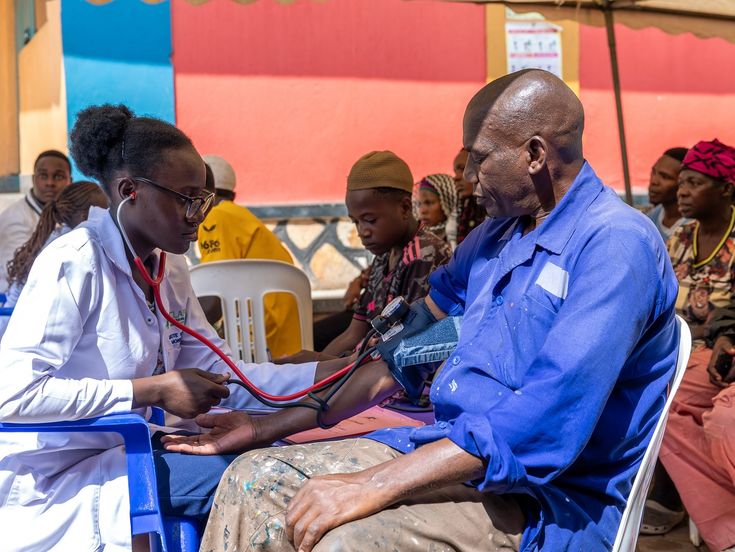
The community health workforce has expanded substantially. Kenya now has 107,831 Community Health Promoters equipped with smartphones and connected to the electronic Community Health Information System. This is the frontline of primary care and it now exists at scale in a way it did not four years ago.
HIV outcomes are real. A 37% decline in new HIV infections since 2022, including a 41% decline among young people aged 15–24, reflects sustained investment in HIV programmes — one area where Kenya has consistently performed above the regional average.
The targets set at the summit — and what they will require
The summit closed with a Joint UHC Acceleration Plan, committing to:
SHA enrolment beyond 45 million people
Out-of-pocket health spending below 15% of total health expenditure
Community health coverage gap closed in remaining counties by June 2027
Health workforce framework resolved
Local pharmaceutical manufacturing to 75% of KEMSA products by 2028
These are the right targets. They are also ambitious against the current backdrop of a Ksh116 billion deficit, 27 million non-contributing members, Ksh26.87 billion in unpaid county arrears, and an ongoing fraud investigation.
The summit acknowledged, in the words of the UN Resident Coordinator, that reform is only delivered when it reaches people, not when it exists in law. That is the standard AfyaWatch254 will use to measure what comes next.
The question the summit didn't answer
The summit had 5,000 delegates, 50 speakers, and representation from all 47 counties. What it did not have was a structured mechanism for patient voices — for the woman who enrolled in SHA, went into labour, and still paid a delivery bill. For the man in Kitui whose hospital is waiting on Ksh350 million in arrears. For the patient in Marsabit who cannot reach a Level 3 facility because the road washes out twice a year.
Ruto said at the summit: "Reform is not an event. It is a continuous journey of closing the distance between the promise we made and the experience of every Kenyan who seeks care."
That is exactly right. The distance between the promise and the experience, in September 2026, is still wide. The summit was a moment to measure it honestly. The next measurement will be whether the targets set in August are met by June 2027 — or whether Kenya will need another summit to explain why they weren't.
AfyaWatch254 Will Be Watching
The Joint UHC Acceleration Plan sets dates. SHA enrolment above 45 million. Out-of-pocket spending below 15%. Community health gaps closed by June 2027.
We are noting the dates. We will return to this scorecard in June 2027 and measure what was delivered against what was promised. That is what a health watchdog is for.
If you experienced a SHA gap — a bill you weren't expecting, a drug you had to buy privately, a claim that was rejected — tell us. The patient experience is the data that doesn't make it into summit presentations.