Iron Deficiency in Kenya: Why You're Always Tired — And Why Your Chai Might Be Making It Worse
L
Leisure Collective
Author
220
0
0
You're tired, your doctor said your blood is "slightly low", and you bought iron tablets you forgot to finish. Meanwhile, you're washing every meal down with chai. The iron you're eating never stands a chance.
She has been tired for as long as she can remember. Not the tired that sleep fixes — the other kind. The kind that is there when she wakes up, that makes climbing stairs feel like more effort than it should, that makes concentrating at work a daily negotiation.
She has been told she is "slightly anaemic." She has bought iron tablets from the pharmacy. She takes them sometimes.
What nobody told her: every morning, she drinks two cups of chai with breakfast. Every lunch, another cup. The iron in her food is being blocked by the very drink she has consumed since childhood — and until she understands that, no tablet will fully compensate for what her daily habits are undoing.
This is Kenya's most widespread, most underdiagnosed, and most correctable nutritional condition. And most of the people who have it have no idea.
The Scale of the Problem
Iron deficiency is the most common nutritional deficiency in Kenya and globally. In Kenya, anaemia — its most advanced stage — affects an estimated 37% of non-pregnant women and up to 55% of pregnant women of reproductive age, according to national nutrition data.
But the real numbers are likely much higher, because iron deficiency precedes anaemia. You can be iron-depleted — with empty stores and rising symptoms — for months or years before your haemoglobin drops enough to trigger an anaemia diagnosis. Most Kenyan clinics only test haemoglobin, not ferritin — meaning the earlier, more treatable stage is routinely missed.
The data from specific Kenyan counties is striking. In Nandi County, where tea consumption is particularly high, an anaemia prevalence rate of 86.2% was recorded among women of childbearing age in a published study — with iron deficiency accounting for 45% of those cases. Nearly nine in ten women in that study were anaemic. Nearly half were iron deficient.
This is not a fringe finding. It is a documented consequence of a daily habit that most Kenyans consider inseparable from eating.
The Tea Problem Nobody Talks About
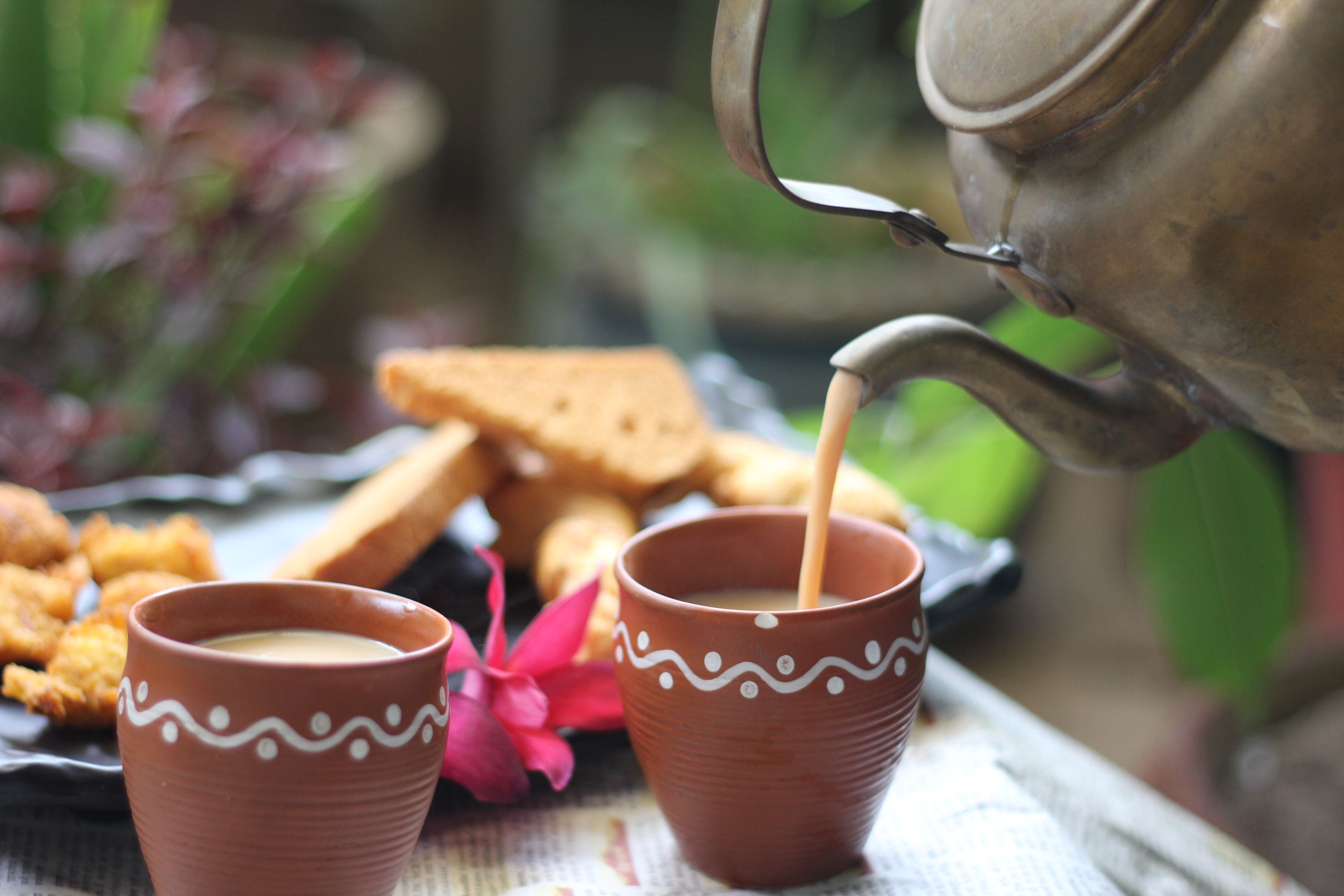
Kenya is one of the world's largest tea producers and one of its most enthusiastic consumers. Chai — milky, sweet, hot, taken with every meal — is not just a beverage. It is a cultural institution.
It is also, for people with low iron, one of the most significant dietary iron blockers in existence.
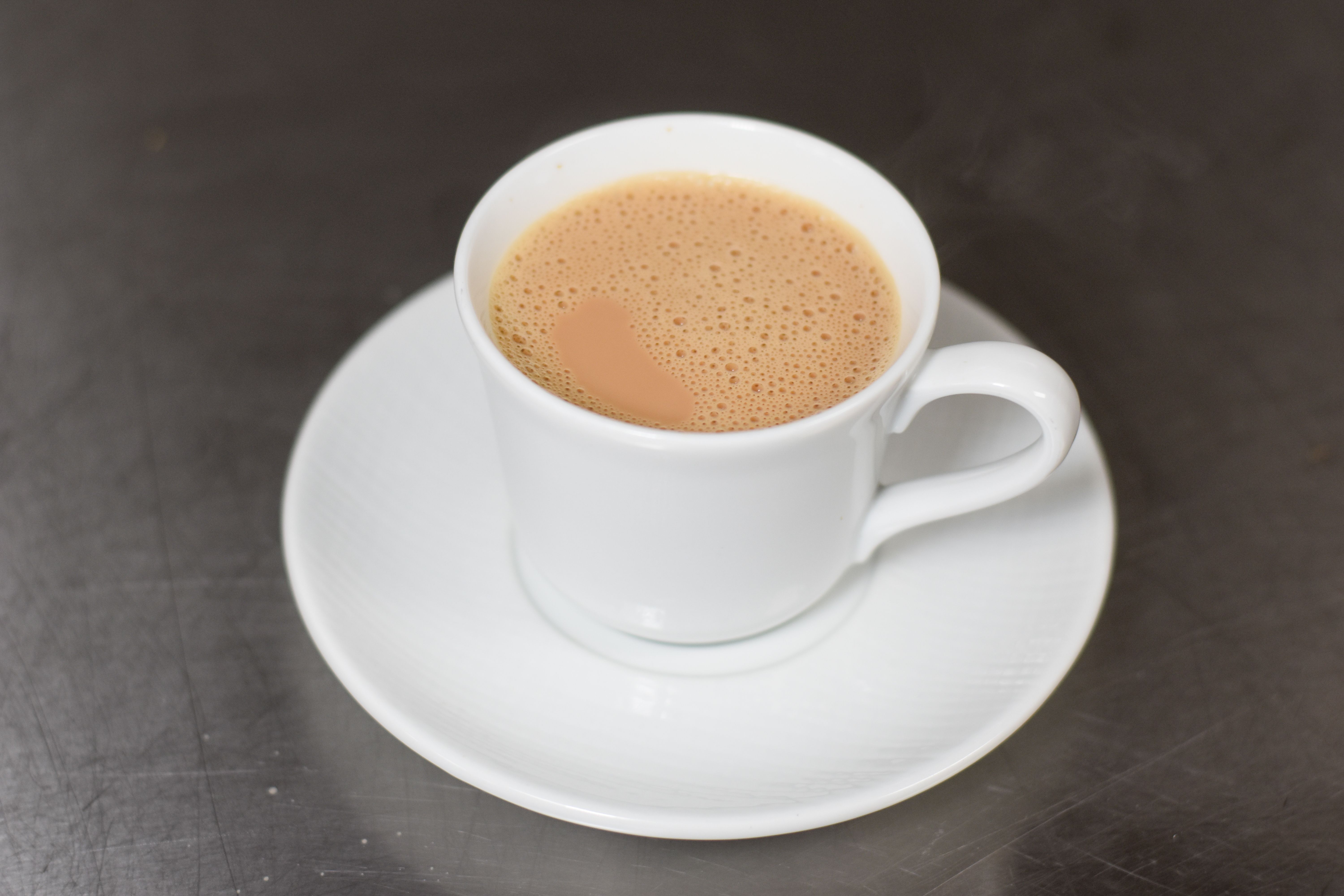
Tea contains compounds called tannins and polyphenols, which bind to non-haem iron — the type of iron found in plant-based foods like beans, lentils, sukuma wiki, and spinach — in the digestive tract. Once bound, this iron cannot be absorbed through the gut wall. It passes out of the body unused.
The research is specific and Kenyan: in a study among anaemic women in Nandi County, 71.7% consumed tea during breakfast, 53.4% during lunch, and 37.7% at supper. Research confirms that habitual tea drinking during meals may significantly increase the risk of chronic iron depletion. The closer tea consumption is to a meal, the greater the interference with iron absorption.
This is not saying chai is bad. It is saying timing matters enormously — and for most Kenyans, the timing is exactly wrong.
The fix is straightforward: drink your chai at least one hour before or one hour after eating, rather than with the meal. That single change, maintained consistently, can meaningfully improve how much dietary iron your body actually absorbs.
Iron Deficiency vs. Anaemia: Understanding the Difference
These two terms are often used interchangeably. They are not the same thing.
Iron deficiency means your body's iron stores (measured by ferritin) are depleted, even if your red blood cells haven't yet been affected. You can be iron deficient without being technically anaemic.
Iron deficiency anaemia means the deficiency has progressed far enough that your haemoglobin has dropped below normal — your red blood cells can no longer carry adequate oxygen. This is the stage most commonly diagnosed in Kenyan clinics.
The gap between these two stages matters because symptoms appear during iron deficiency — before full anaemia develops — and because catching it early is easier and faster to correct. If you feel the symptoms described below but your doctor says your haemoglobin is "borderline" rather than clearly low, ask specifically about your ferritin level. Ferritin is the earliest and most sensitive marker of iron status, and it is the one most commonly omitted from basic Kenyan blood panels.
Symptoms You Might Be Dismissing As "Just Life"
This is where iron deficiency is most insidious — because its symptoms are easy to normalise, especially for women who have been taught that tiredness is simply part of managing a household, a job, a family, and everything else.
Fatigue that doesn't improve with rest is the most common and most dismissed symptom. Not laziness — a physiological state where cells are not getting adequate oxygen.
Pale inner eyelids or pale gums — pull down your lower eyelid and look at the pink inner rim. It should be a clear, rich pink. Pale or whitish coloring is a visible sign of low haemoglobin.
Shortness of breath during mild activity — climbing stairs, walking briskly, or carrying shopping that shouldn't wind you.
Heart palpitations — a feeling that your heart is working harder or beating irregularly. The heart compensates for low oxygen-carrying capacity by pumping faster.
Cold hands and feet even in warm conditions — poor circulation to the extremities when the body prioritises oxygen delivery to vital organs.
Brittle nails, hair thinning or hair loss — iron is essential for hair follicle function. Excessive shedding or breakage can be an early sign.
Difficulty concentrating or brain fog — iron is needed for cognitive function. Deficiency impairs memory, attention, and mental stamina.
Restless legs at night — an uncomfortable urge to move the legs, particularly at rest, has a well-established link to iron deficiency.
Unusual cravings — especially for ice, soil, or starch (pica) — the craving for ice specifically (pagophagia) is strongly associated with iron deficiency for reasons not yet fully understood.
If several of these sound familiar and have been present for months, it is worth getting tested — specifically asking for both haemoglobin and serum ferritin.
Who Is Most At Risk in Kenya
Women of reproductive age — monthly blood loss through menstruation depletes iron consistently. Women with heavy periods lose significantly more.
Pregnant women — iron requirements increase dramatically in pregnancy to support the growing baby and placenta. Deficiency in pregnancy is linked to preterm birth, low birth weight, and maternal complications.
Children under five — rapid growth increases iron demand. Iron deficiency in early childhood affects brain development and cognitive performance in ways that can persist into adulthood.
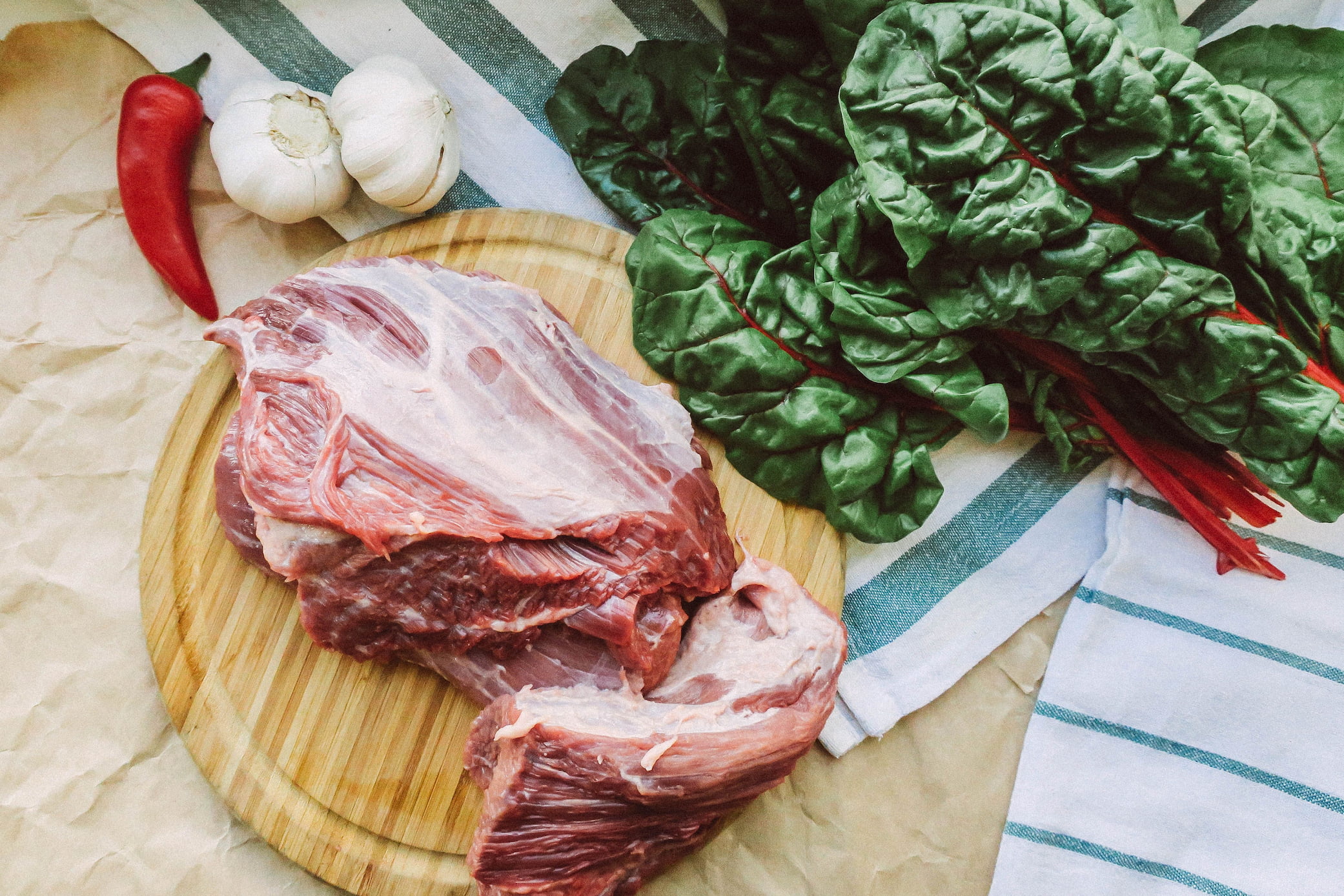
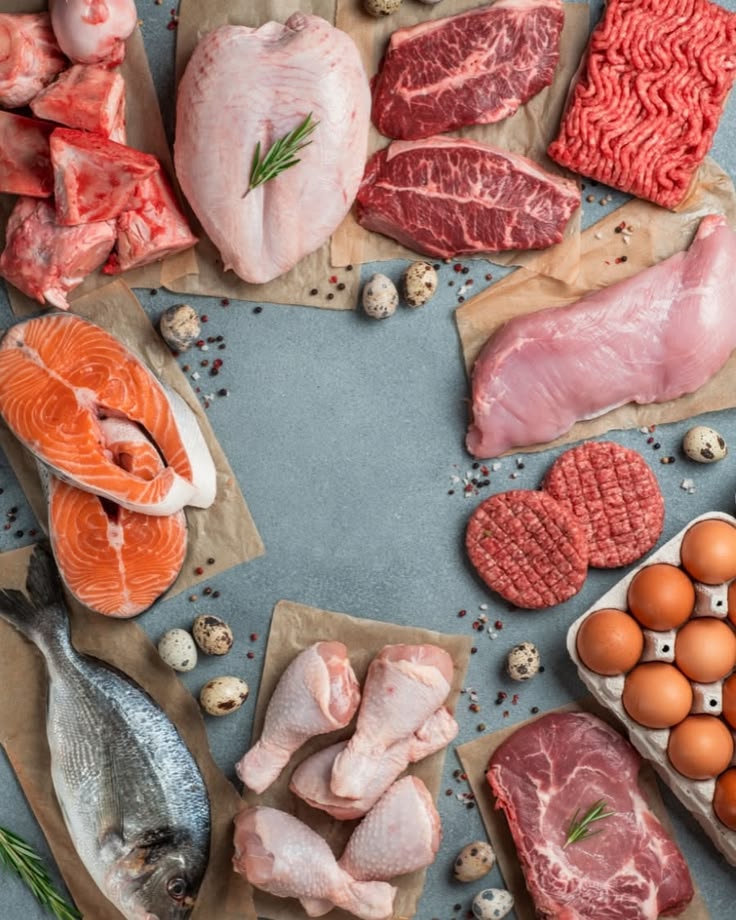
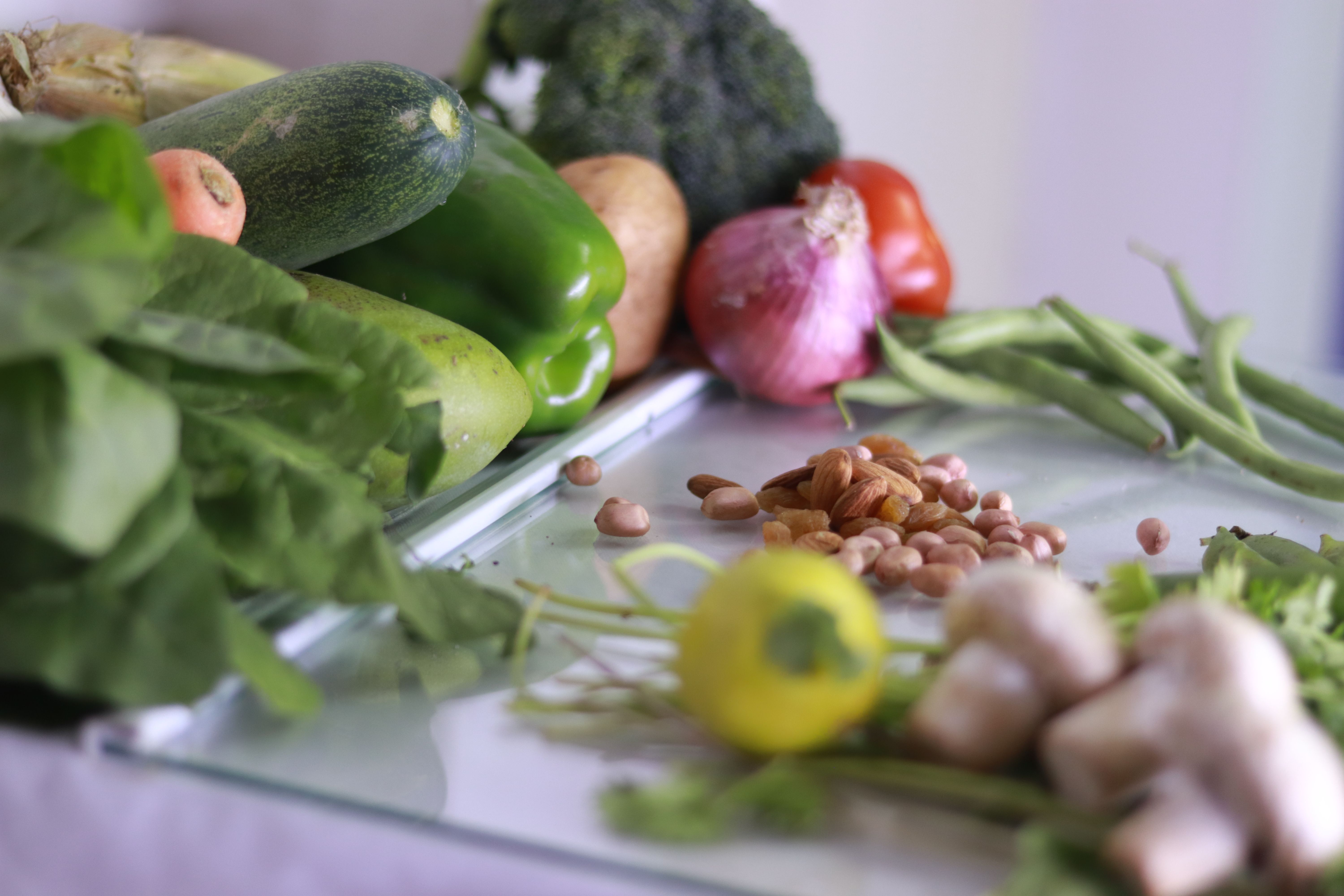
People who eat predominantly plant-based diets — plant iron (non-haem iron) is absorbed at a much lower rate than animal iron (haem iron). A diet heavy in ugali, sukuma, beans, and tea with little meat or fish creates significant risk.
People living with chronic conditions — HIV, malaria, and chronic infections increase iron loss and reduce absorption. In Kenya, these conditions co-exist with dietary iron deficiency, compounding the burden.
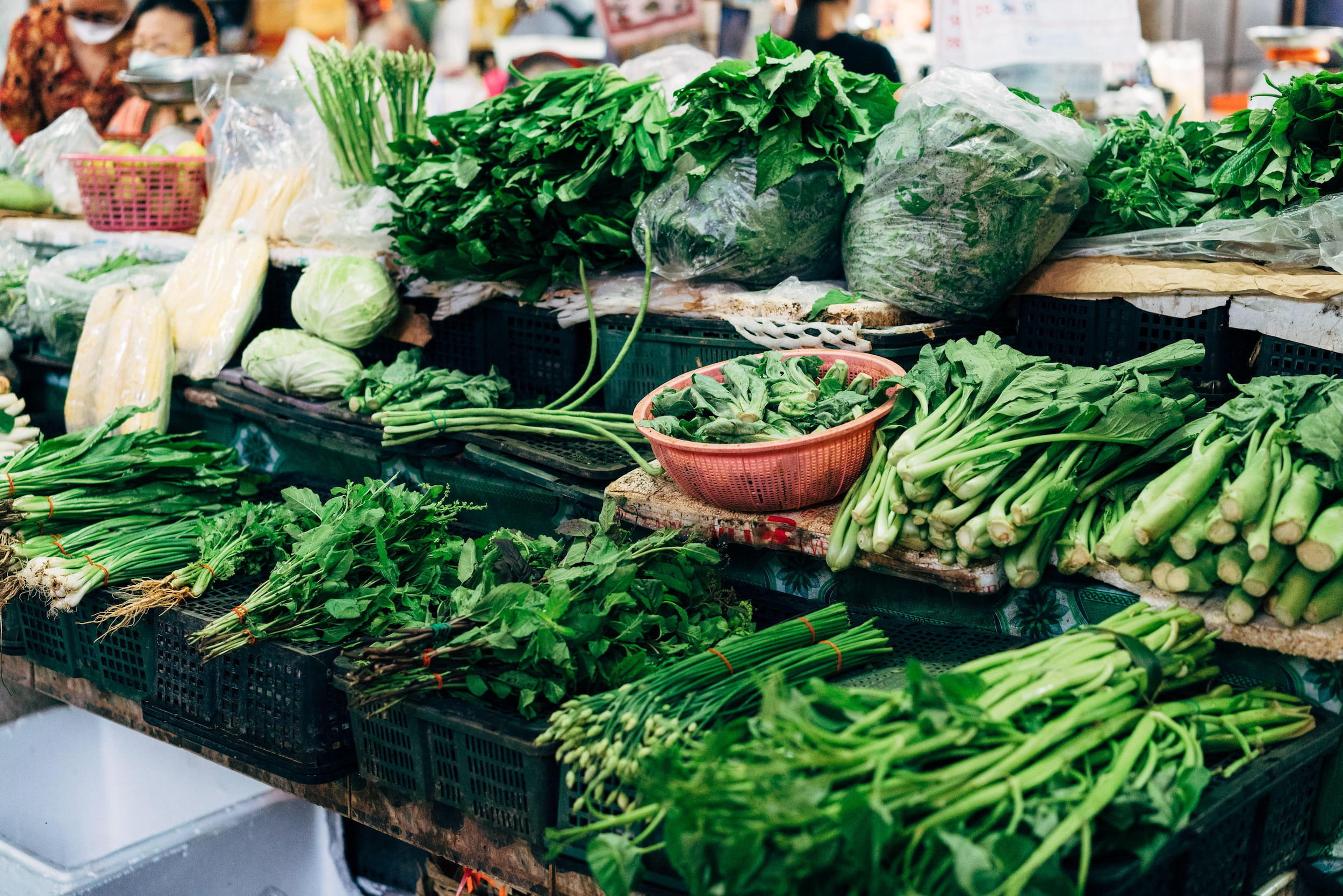
The vitamin C trick: Vitamin C dramatically increases non-haem iron absorption when consumed in the same meal. Squeeze lemon over your sukuma. Add tomatoes to your beans. Eat an orange after a plant-based meal. This is one of the simplest, most evidence-supported dietary interventions available.
What blocks iron absorption:
Tea and coffee with meals — the biggest and most correctable factor in Kenya
Calcium (milk, dairy) in large quantities at the same time as iron-rich foods
Phytates in whole grains and legumes — reduced by soaking and cooking
The practical rule: eat your iron-rich food. Drink your chai an hour later.
On Iron Supplements
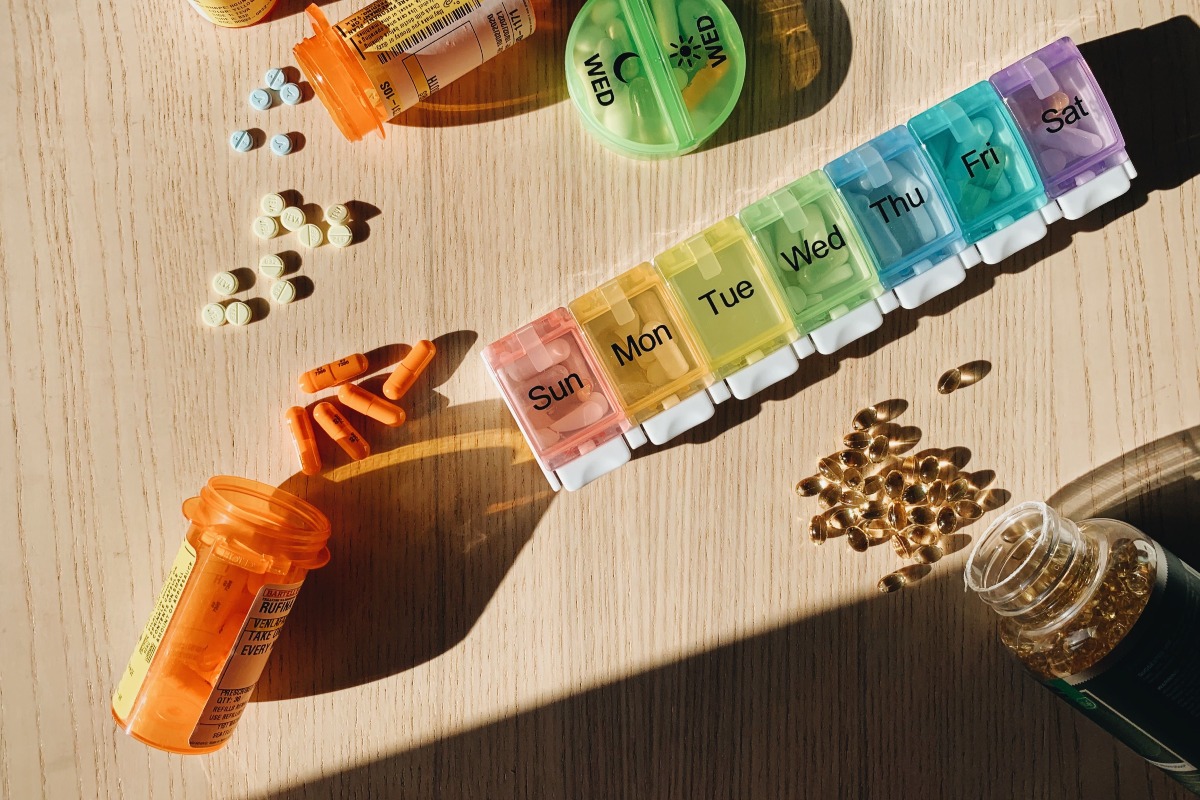
Iron supplements work — but they are not a substitute for dietary change, and they come with side effects that cause many people to stop taking them: constipation, nausea, black stools, and stomach cramps.
If your doctor prescribes iron tablets, take them on an empty stomach if you can tolerate it (absorption is higher) with a glass of water or fresh juice, not tea. If the side effects are severe, ask about a lower-dose supplement taken more frequently or a different formulation.
Do not self-prescribe high-dose iron supplements without a diagnosis. Excess iron is toxic and cannot easily be excreted. Get tested first.
AfyaWatch254 Says: Tiredness Is Not A Personality Trait
The normalisation of exhaustion — especially in Kenyan women — is a cultural problem with a clinical consequence. When women expect to feel tired, they don't report symptoms. When symptoms go unreported, iron deficiency goes undiagnosed. When it goes undiagnosed, children are born to iron-deficient mothers. The cycle continues.
Iron deficiency in Kenya is overwhelmingly addressable through a combination of dietary change, smart food pairing, and simple habit shifts — the most important of which costs nothing: stop drinking your chai with your food.
Know the symptoms. Ask for the right test. And the next time someone tells you that you're just tired — know that there is a difference between tired and depleted. One is a feeling. The other is a diagnosis.
→ What to ask at your next clinic visit:
"Can I have my haemoglobin and serum ferritin checked?"
"What is my ferritin level specifically, not just whether I'm anaemic?"
"Do I need an iron supplement, and if so, which type and dose?"
SHA covers basic blood tests including CBC at public facilities — confirm ferritin testing availability and cost.