The Medicine In Your Bag Could Be Fake. Kenya's Counterfeit Drug Crisis, Explained.
L
Leisure Collective
Author
213
0
0
The government just launched a national task force to fight fake medicines. That is not reassuring news. It means the problem is serious enough to require one. Here is what has actually been found in Kenya's pharmaceutical supply chain — and what you need to know before you take your next tablet.
On July 1, 2026, Health CS Aden Duale stood before a newly formed Interministerial Steering Committee and called substandard and falsified medicines what they are: "a serious public health, economic and national security threat."
He is right. But here is the thing about that statement — it was made in response to a problem that has been building for years inside a supply chain that millions of Kenyans trust with their lives every single day.
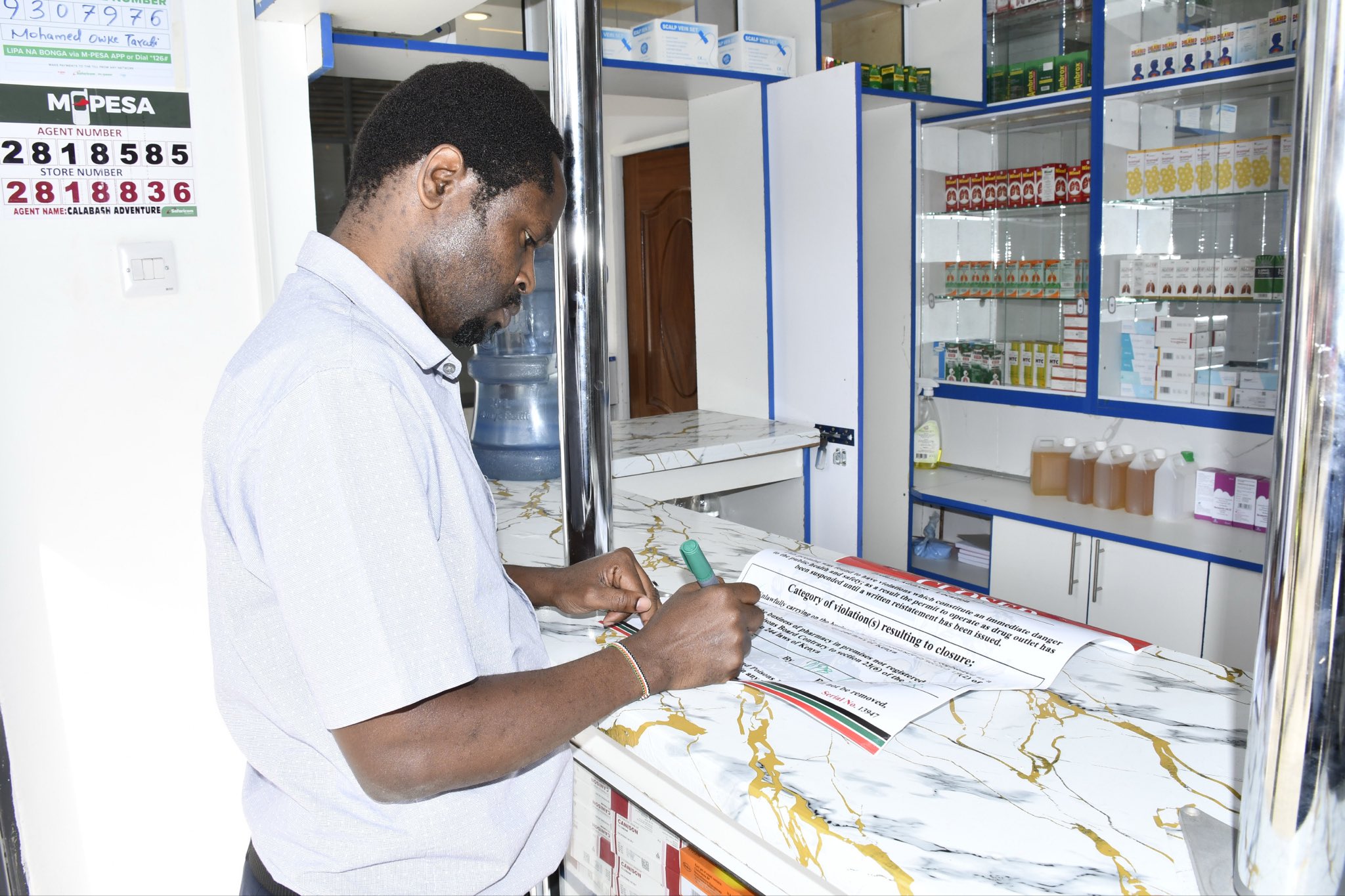
Between 2021 and 2025, the Pharmacy and Poisons Board received 1,413 product quality complaints, coordinated 99 product recalls, and issued 18 public alerts on suspected falsified medicines. Since January 2025 alone, there have been 58 product recalls and 14 rapid alerts. More than 200 non-compliant pharmaceutical premises have been closed, with arrests and prosecutions underway.
And those are only the cases they caught.
The WHO estimates that one in every 10 medical products in low- and middle-income countries is either substandard or falsified. In Kenya, studies suggest 10–12% of medicines in circulation may be counterfeit or substandard, with some regions reporting higher numbers.
You are likely taking medicine right now. Do you know if it is real?
This is not abstract. The specific products confirmed as counterfeit or substandard in Kenya's regulated market include:
Fake Truvada — a critical HIV antiretroviral drug. Falsified HIV medicines cause treatment failure and can accelerate drug-resistant infections, meaning the person taking them not only gets no protection but may develop a strain of HIV that is harder to treat.
Counterfeit Viagra — widely available through informal channels and social media vendors.
Falsified HIV rapid test kits — fake diagnostic kits that can produce inaccurate results, telling someone they are HIV-negative when they are not, or vice versa. The downstream consequences — missed treatment, unknowing transmission — are catastrophic.
Counterfeit heparin injections — heparin is a blood-thinning medication used in hospitals for patients at risk of clots. A fake or contaminated version in an IV line is not a minor issue.
Contaminated paracetamol injections — In 2025, the PPB recalled multiple brands of paracetamol injections, including Lumidol, Blink, and Paragen, which showed signs of discolouration. All batches manufactured by a specific Indian pharmaceutical company were withdrawn.
Wrong-drug packaging — a recall was issued for S-Prazo (esomeprazole) after levofloxacin tablets – a completely different antibiotic – were found inside the packaging. A patient who does not read the blister carefully, or who cannot, could take the wrong drug entirely.
Counterfeit Augmentin — counterfeit batches of this common antibiotic were identified and recalled. Augmentin is one of the most prescribed antibiotics in Kenya for respiratory and skin infections.
Cancer drugs — in 2024, Kenya saw a sharp increase in drug recalls, including contaminated cancer treatments. Oncology medications have been on the list of commonly counterfeited drugs in Kenya for years, alongside anti-diabetics, fertility pills, anti-thyroids, and antibiotics.
CS Duale put it plainly: If bad fuel gets into your vehicle, you lose the engine. But if a bad medicine gets to a patient, they lose their life.
How Fake Medicines Enter Kenya
The trade in fake medicine exploits specific entry points: smuggling across borders that bypasses customs checks, unlicensed chemists and informal street vendors selling drugs without proper regulation, and fake online stores or social media vendors selling unregulated or counterfeit products.
Social media drug sales are a growing and largely unregulated channel in Kenya. WhatsApp groups, Instagram pages, and Facebook marketplace listings selling medicines, supplements, and "herbal treatments" operate almost entirely outside PPB oversight. The PPB has intensified surveillance at ports of entry — but criminal networks adapt.
The supply chain problem is compounded by the fact that even established pharmacies may unknowingly stock substandard products if their own suppliers have been compromised upstream. A pharmacist cannot tell with the naked eye whether a blister pack contains the correct active ingredient at the correct dose.
As one Kenyan healthcare professional put it:
The only way to be sure a drug is genuine is through laboratory testing to verify its ingredients. You can't always tell just by looking, even if it's from a trusted brand.
Fake medicines do not just fail to work. They actively harm.
Treatment failure — a patient taking a substandard antibiotic who appears to recover may actually have a surviving bacterial population that is now harder to treat. This is one of the drivers of antimicrobial resistance — a crisis Kenya's health system is already wrestling with.
Delayed diagnosis — a falsified HIV test kit that returns an inaccurate result means a person who needs treatment doesn't get it and may continue unknowingly transmitting the virus.
Direct toxicity — some counterfeit medicines contain toxic substitutes. In 2022, at least 70 children in The Gambia died after consuming four cough syrups found to contain toxic levels of diethylene glycol and ethylene glycol. The same type of substitution has been found in products circulating in East Africa.
False confidence — perhaps the most insidious harm is that the patient believes they are being treated. They follow their prescription, manage their side effects, and trust the system, while the fake medicine does nothing, or worse.
How to Protect Yourself — Practically
The honest truth: you cannot always tell. Laboratory testing is the only definitive verification. But these steps meaningfully reduce your risk:
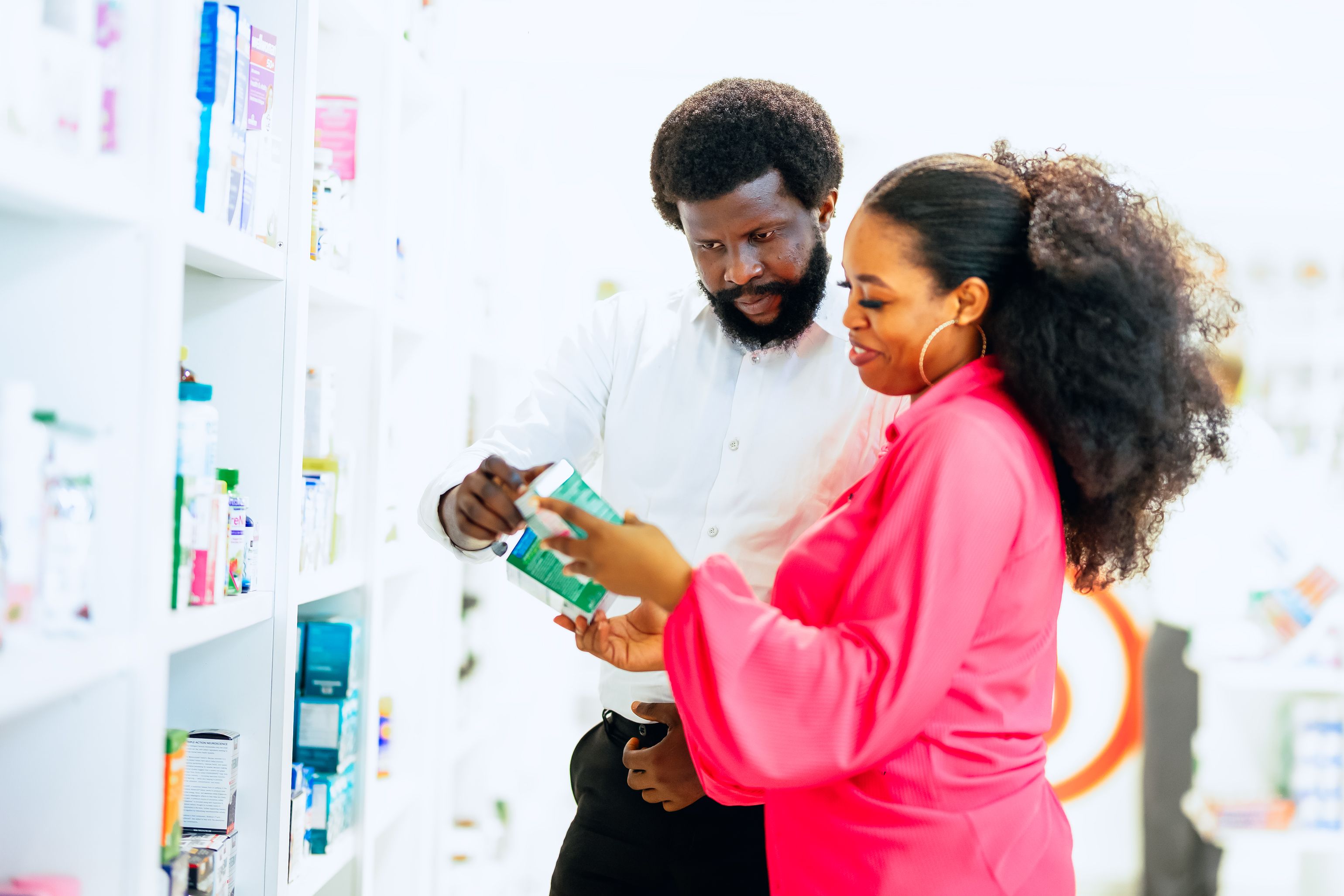
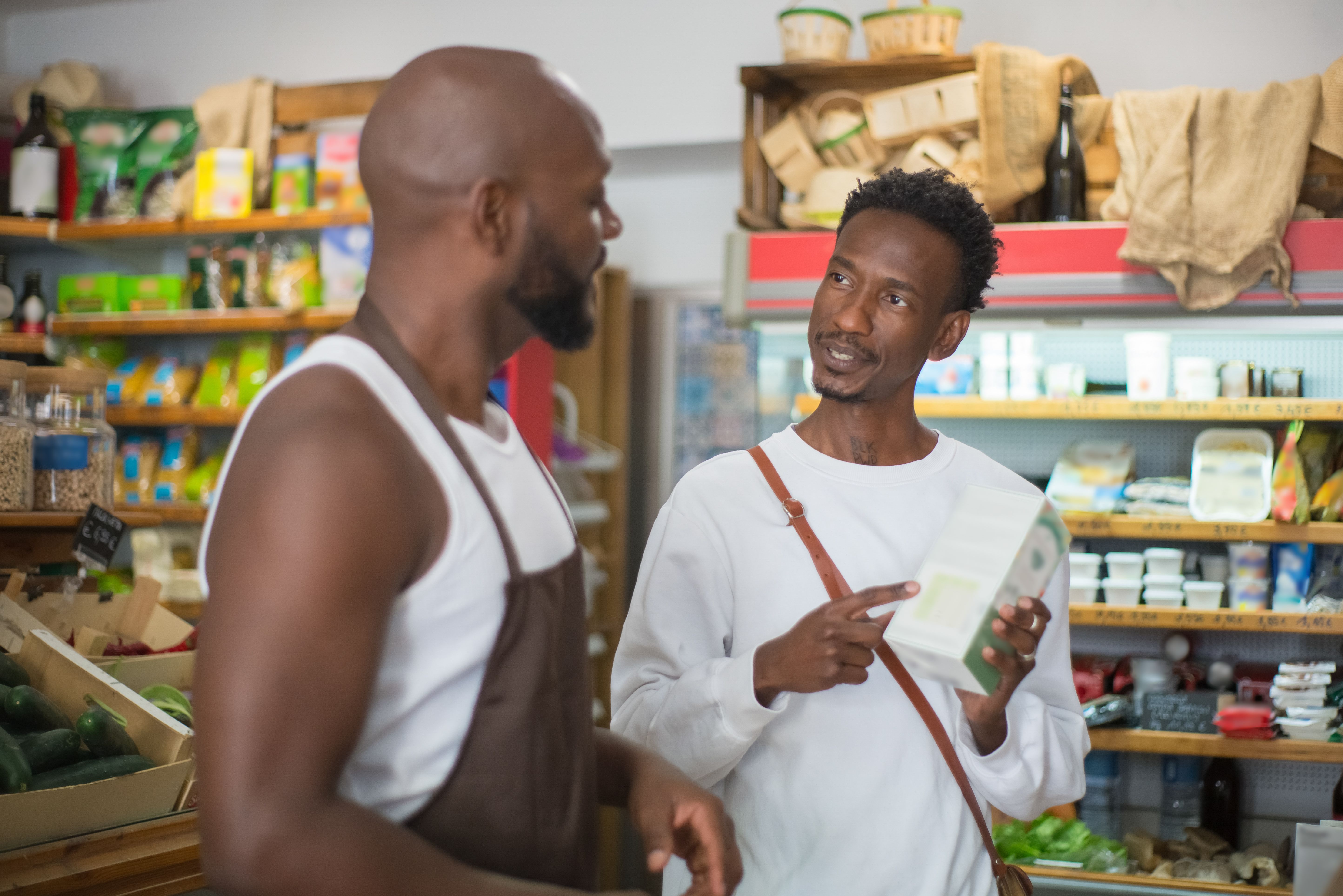
Buy from PPB-registered pharmacies only. Every licensed pharmacy in Kenya is registered with the Pharmacy and Poisons Board. You can verify a pharmacy's registration at ppb.go.ke. If a chemist cannot show you their PPB licence on request, leave.
Never buy medicines from social media, WhatsApp, or open-air markets. This is where the majority of circulating fakes originate. Convenience is not worth the risk.
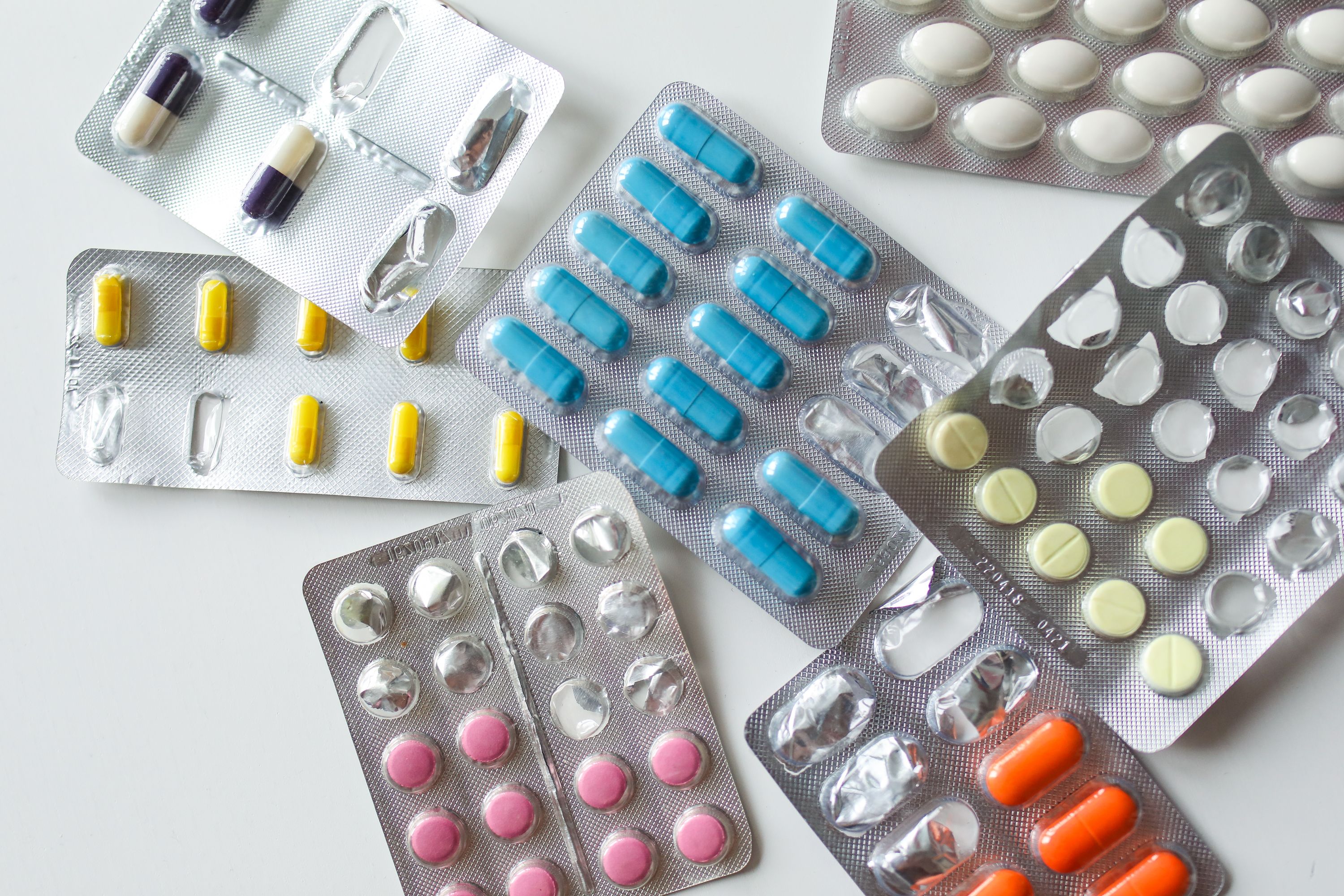
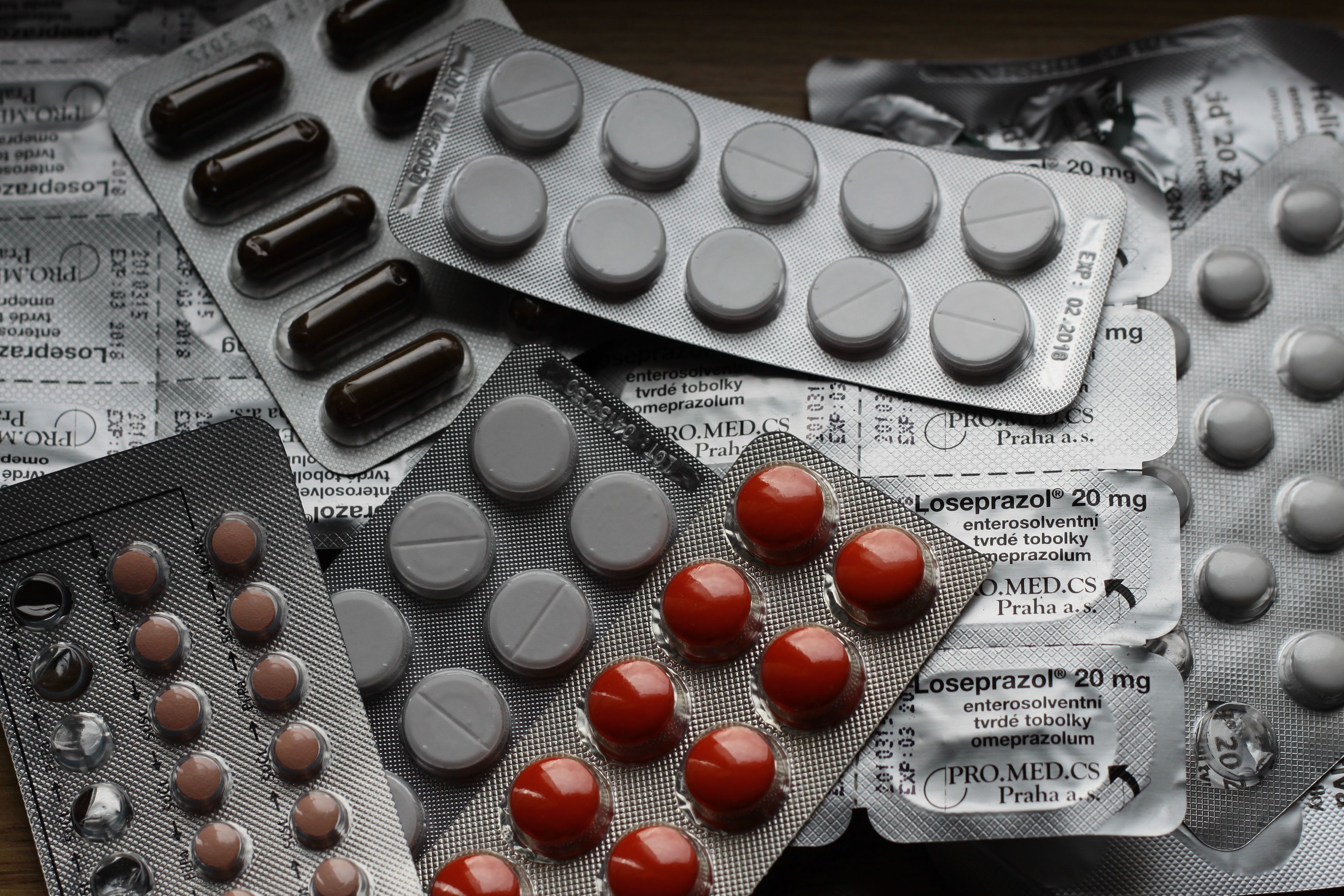
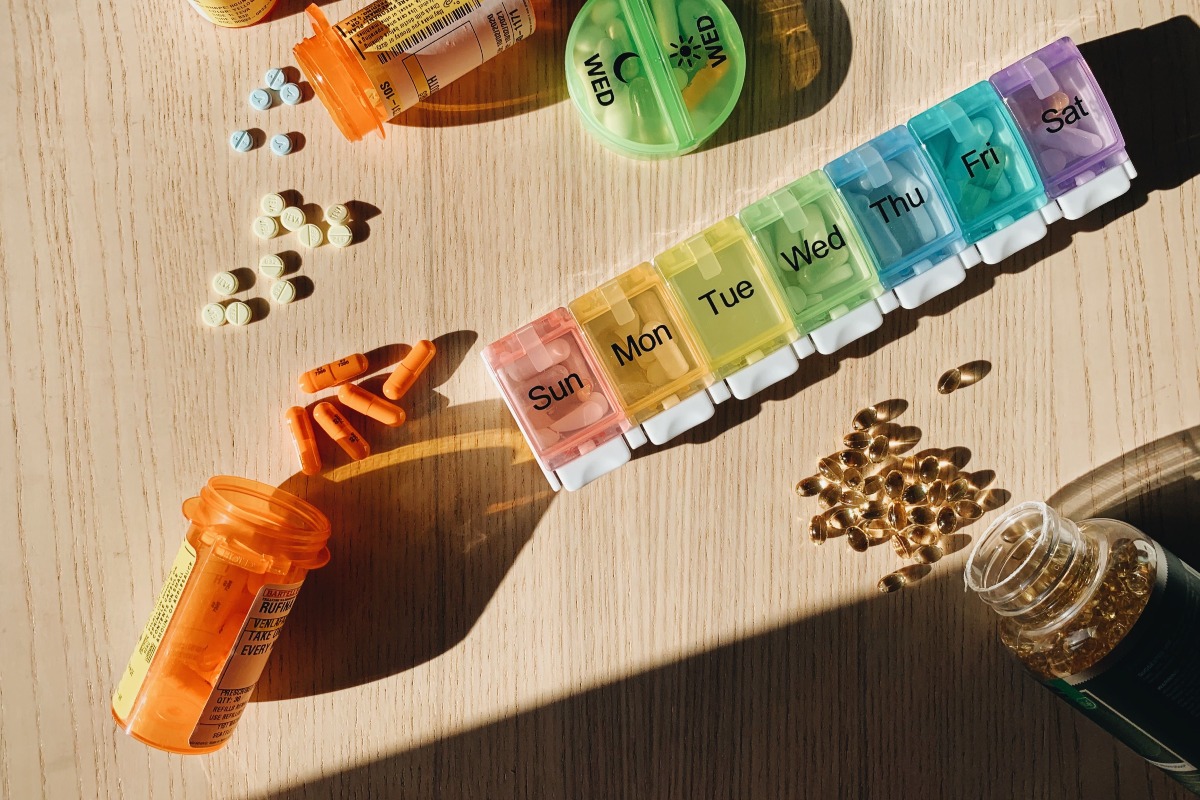
Check packaging carefully. Look for: clear expiry date and batch number that are not smudged or altered; professional-quality printing with no spelling errors; packaging that matches what you have purchased before in colour, font, and design. Discrepancies are a red flag.
Be suspicious of unusually cheap medicine. Counterfeit sellers routinely undercut legitimate prices. If a drug costs significantly less than what you normally pay, ask why.
Check for QR codes or verification stickers. Some genuine medicines carry verification codes you can scan or text to confirm authenticity. Use them if they are present.
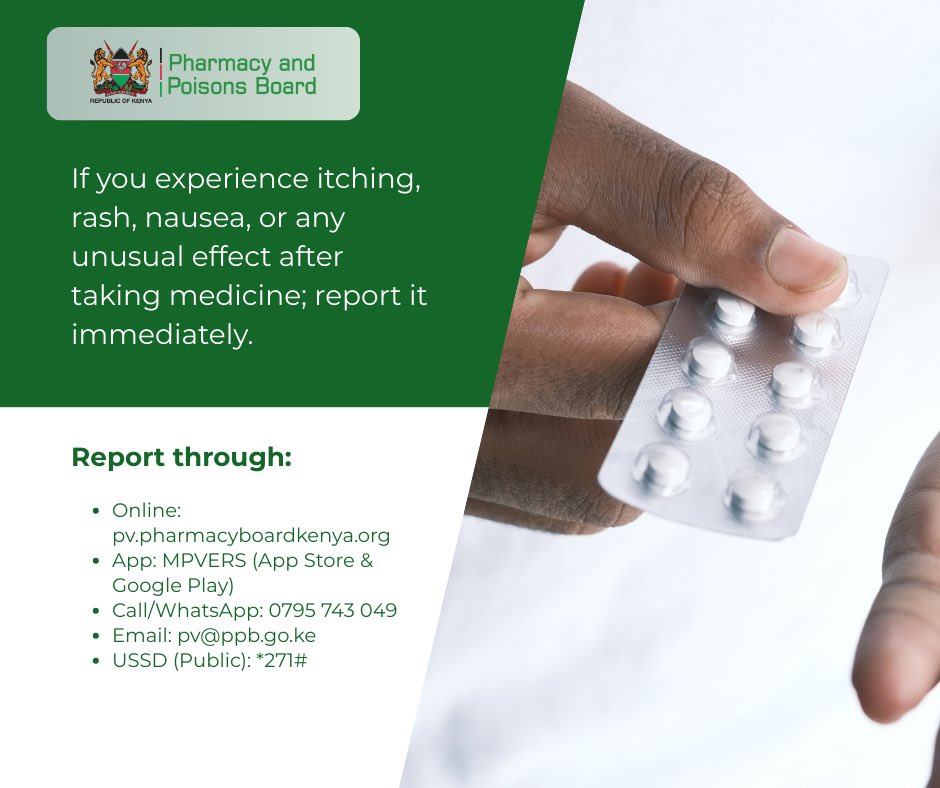
If medicine looks or smells different from before, or causes unexpected side effects — stop taking it and report it. Do not assume it is a new formulation. Report suspected counterfeits to the PPB directly.
Report to PPB: You can contact the Pharmacy and Poisons Board at ppb.go.ke or call +254 20 2716386. Public reporting is how surveillance works — the PPB's own data depends on citizens flagging suspicious products.
Kenya now has an Interministerial Steering Committee, a National Action Plan, enhanced port surveillance, and a CS who is saying the right things publicly. That is progress, and it should be acknowledged.
But 200 closed premises and 58 recalls in a country of 55 million people, with a pharmaceutical supply chain that stretches from Indian manufacturers through multiple intermediaries to your local chemist — that is a fraction of the problem being addressed, not the whole of it.
The gap between what the PPB can monitor and what actually reaches patients every day in Kenya is enormous. Closing it requires not just enforcement, but a culture of reporting, a public that knows what to look for, and a healthcare system that takes drug quality as seriously as drug access.
Until then: verify before you swallow.
→ Key contacts:
PPB Kenya — report suspected fakes:ppb.go.ke | +254 20 2716386
PPB on X/Twitter: @ppbkenya — follows public alerts and recalls in real time