Endometriosis In Kenya: Misdiagnosed, Dismissed, and Suffering In Silence
L
Leisure Collective
Author
300
0
0
She was told it was just bad period pain. Then bad cramps. Then stress. Then she was diagnosed with tuberculosis. It took years before anyone said the word "endometriosis". Her story is not unusual in Kenya — it is the rule.
Jackline Njeri began having unexplained chest pains in 2017. The pain intensified every month, following her menstrual cycle. She also had debilitating cramps and persistent headaches. She sought medical help and was diagnosed with tuberculosis.
It was not tuberculosis. It was endometriosis — a condition where tissue similar to the uterine lining grows outside the uterus, attaching to the ovaries, fallopian tubes, bowel, bladder, and, in Jackline's case, spreading far enough to affect her chest cavity.
Her story is not unusual. In Kenya, it is the rule.
What Endometriosis Is — And What It Does
Endometriosis is a chronic, systemic condition affecting girls and women of reproductive age. Tissue resembling the uterine lining implants outside the uterus and, like the lining itself, responds to monthly hormonal cycles — thickening, breaking down, and bleeding. But unlike normal uterine lining, this tissue has nowhere to exit. The result: inflammation, scar tissue, adhesions that can bind organs together, and pain that can be severe enough to halt normal life.
Globally, endometriosis affects one in ten women of reproductive age. In Kenya, prevalence is estimated at 4.6–6.8%, with some clinical studies placing it higher — a 2021 Nairobi study found endometriosis in 8.9% of women undergoing laparoscopic surgery for pelvic pain.
It is not rare. It is not normal period pain. And it is almost certainly far more widespread than official figures capture — because the infrastructure to find it barely exists.
Globally, the average time from first symptoms to confirmed endometriosis diagnosis is 8–10 years. In Kenya, there is no reliable national data on this — which is itself part of the problem.
What Kenyan experts do confirm: misdiagnosis is routine. Women present with pelvic pain, heavy periods, painful sex, and bladder or bowel symptoms and are told they have fibroids, pelvic inflammatory disease, irritable bowel syndrome — or simply that they have a low pain threshold. "Just bad cramps" is the dismissal most women receive first.
A panel of specialists and survivors at Aga Khan University Hospital Nairobi in April 2025 called on the government to include endometriosis care within SHA, recognising that high out-of-pocket costs disproportionately affect women without private health plans or those in rural areas.
Survivor Keziah Mumbi described her experience plainly: "I spent years moving from one doctor to another, being told it was just bad cramps."
This delay is not accidental. It is a symptom of a system that has consistently normalised pain in women — and a diagnostic pathway that requires surgical intervention to confirm.
Why Kenya's Data Gap Is Making It Worse
Kenya has no reliable national prevalence data on endometriosis. This is what researchers are now calling "data poverty" — a chronic shortage of robust health statistics that makes it impossible to plan, fund, or prioritise the condition at a policy level.
The limited studies that exist are hospital-based and localised, involving patients already presenting with severe symptoms and undergoing specific procedures. They do not reflect prevalence in the broader population — meaning the true burden in Kenya is almost certainly higher than any published figure suggests.
Without data, there is no political urgency. Without political urgency, there is no funding. Without funding, there is no training, no equipment, no accessible treatment. The cycle is self-reinforcing — and women are paying the price in years of undiagnosed pain.
The Diagnostic and Treatment Gap
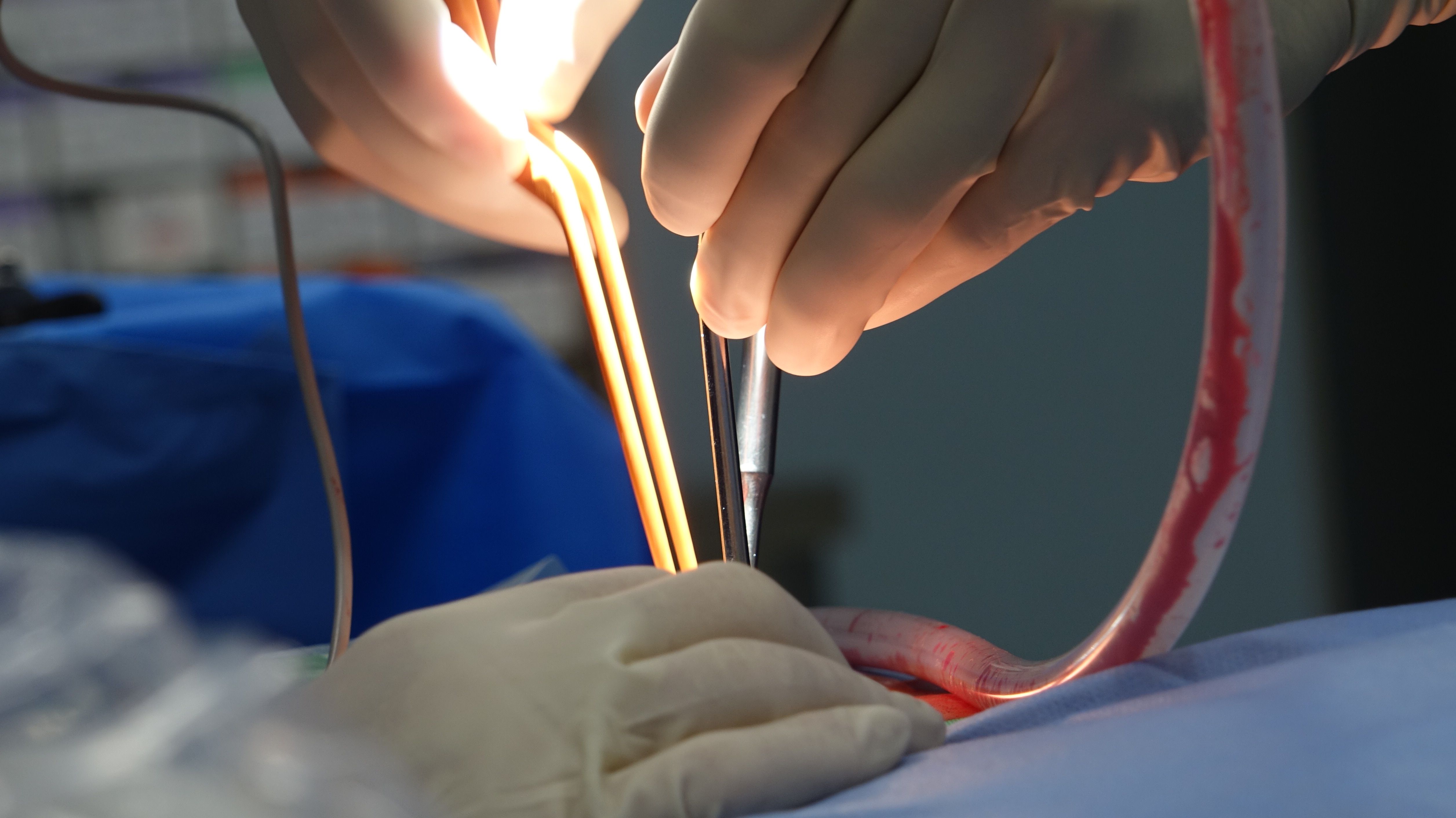
Endometriosis can only be definitively diagnosed through laparoscopy — a minimally invasive surgical procedure that requires a trained gynaecologist, an operating theatre, and equipment that is not available at most Kenyan health facilities.
Advanced endometriosis treatment — particularly surgical removal — requires a multidisciplinary approach. Patients with bowel or bladder involvement need collaboration between gynaecologists, colorectal surgeons, and urologists. As one Kenyan expert noted: "There are still very limited facilities offering comprehensive care for endometriosis."
In March 2026, the Healing Mama Africa bootcamp held at Mt Kenya Hospital in Kerugoya performed 103 ultrasound scans and at least 20 endometriosis surgeries in a single week — a figure that illustrates both the enormous unmet need and how concentrated specialist access remains. Initiatives like this are valuable. They are not a substitute for a functioning national response.
The Pan-African Society of Endometriosis, established in 2024, is working to address knowledge and care gaps across the continent, having held its first conference in South Africa and planning a global conference in Mombasa. Kenya is part of this growing regional momentum – but institutional commitment from the Ministry of Health has yet to match it.
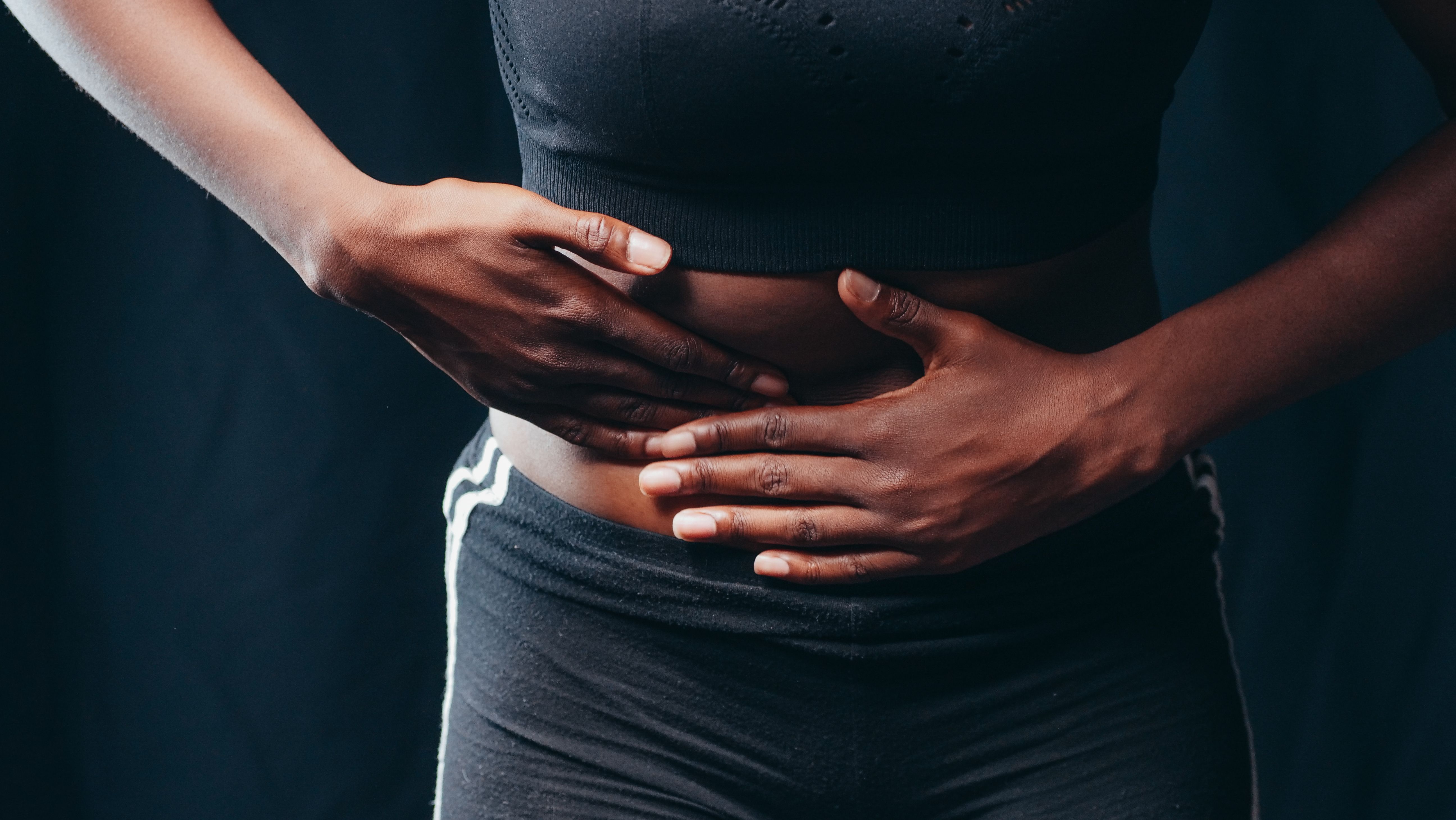
Painful periods are not normal. Pain that disrupts daily life, requires strong medication, or comes with heavy bleeding, pain during sex, or bowel and bladder symptoms during your period is a reason to seek investigation – not something to push through.
Ask specifically about endometriosis. Many doctors in Kenya will not raise it unless you do. If you've been told repeatedly that your pain is "normal" or "stress", ask directly: "Could this be endometriosis? Can I be referred for investigation?"
Know your support network: The Endo Sisters East Africa Foundation is the most active local organisation connecting Kenyan women with endometriosis information, community support, and referral guidance. Find them on Instagram and Facebook as a starting point.
On SHA coverage: Endometriosis diagnosis and treatment is not explicitly listed in the SHIF benefit package as of 2026. Advocate clearly when engaging with facilities — and support calls for SHA to include it.
Kenya cannot keep dismissing years of documented pain as a personality trait. Endometriosis is a chronic systemic disease. It affects fertility, mental health, careers, and quality of life — and it is affecting hundreds of thousands of Kenyan women right now, most of whom have no idea what they are dealing with.
The gap between what these women are experiencing and what the health system is offering them is not a clinical failure. It is a policy choice. Treating women's pain as less urgent, less real, and less deserving of resources is a choice. And it can be reversed.
Every woman who is dismissed needs to know: you are not dramatic. You are not weak. And your pain deserves a real answer.
→ Resources:
Endo Sisters East Africa Foundation: Search on Instagram/Facebook for current contact and support group details
Aga Khan University Hospital, Nairobi (gynaecology and endoscopy): +254 20 3662000
Healing Mama Africa (surgical bootcamps): Follow on social media for upcoming events