Training for Your First Marathon in Nairobi's Climate: A Beginner's Guide
L
Leisure Collective
Author
145
0
0
Nairobi's altitude is part of what makes Kenyan marathoners world-beaters — and it's quietly working in your favor too, even when training feels harder than it should. Here's how to actually prepare for race day.
Nairobi sits at roughly 1,795 meters above sea level — high enough that your body is working harder than it feels like it should, even on an easy run. "Nairobi is surprisingly high altitude," says Jeffrey K., a Nairobi Marathon finisher. "The body adjusts so well when running low altitude races" afterward — a small, honest surprise that catches a lot of first-timers off guard, and one worth knowing before you start.
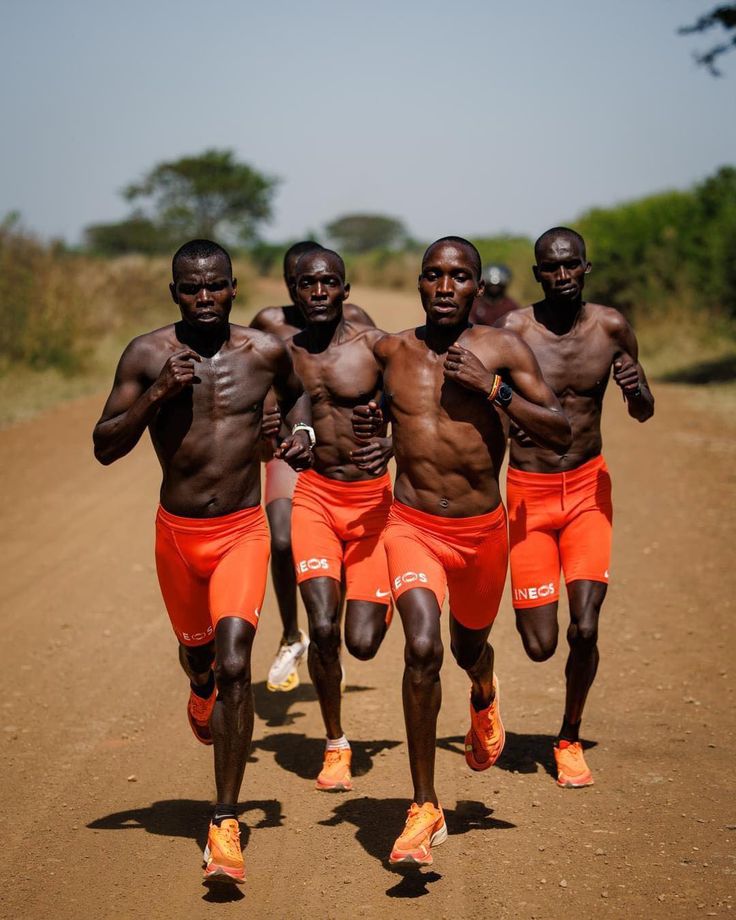
Here's the reframe worth holding onto: that same altitude is part of what makes Kenyan marathoners some of the best in the world. Training here is genuinely harder than training at sea level. It's also quietly building something that pays off the moment you race anywhere lower.
Nairobi's weather is, on paper, close to ideal for running — daytime highs typically sit around a mild 26°C, with cool nights, a real advantage over marathon cities battling extreme heat or humidity. The catch is altitude, not temperature: your body has less oxygen to work with per breath, so the same pace that felt comfortable at sea level will feel noticeably harder here until you've adapted.
That adaptation is real, but it takes time and consistency — not a single hard week, but months of steady training.
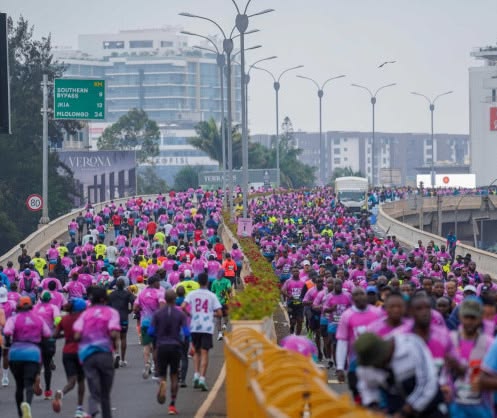
General marathon-training guidance points to 16 to 24 weeks — four to six months — of structured training before race day. With the Standard Chartered Nairobi Marathon falling on October 25, 2026, that puts the ideal starting window in May or June for the full 42km distance.
If you're starting later than that, don't panic — it just means being realistic about your distance. A tighter runway is still very workable for the half marathon or one of the shorter fun-run distances, even if the full marathon needs more lead time than you currently have.
Weekly Structure Basics
Build mileage gradually rather than jumping distance week to week, and treat rest days as part of training, not a break from it. Cross-training — walking, cycling, swimming, or strength work — matters more than most beginners expect, since it builds fitness without adding the repetitive strain of running every single day. Consistency across months beats a handful of heroic long runs closer to race day.
You don't need to figure this out alone. Nairobi's run club scene — We Run Nairobi, Urban Swaras, Karura Forest Runners — gives you built-in structure, pace groups, and company for the long, occasionally boring middle stretch of marathon training. If you haven't picked one yet, that's genuinely the fastest way to stay consistent.
For hill work specifically, Jeffrey's advice is blunt and simple: "Do your hillwork!" Ngong Hills is the obvious answer — a real elevation challenge close to the city, with routes running up to 22km out-and-back on mostly dirt roads. If your race-day route has any real elevation at all, this is where you build the legs for it.
Train in the early morning or evening rather than the middle of the day — Nairobi's air may be mild, but the midday sun is still strong enough to make longer runs miserable and genuinely risky if you're not managing hydration. Light, loose clothing helps more than it seems like it should, and treat hydration as a before-during-after habit, not something you only think about once you're already thirsty.
Injury Prevention
Regular physiotherapy check-ins, even when nothing feels wrong yet, catch small problems before they become training-ending ones. Learn to tell the difference between normal training fatigue — tired legs, a bit of soreness — and something that actually needs rest. Pushing through the wrong kind of pain is one of the more common ways first-time marathoners derail months of good training in the final weeks.
Taper your training in the final couple of weeks rather than trying to squeeze in one more big effort — the hard work is already done by then. Light carb-loading in the days before, a familiar, tested breakfast on race morning (nothing new, ever, on race day), and a real recovery plan afterward — rest, hydration, gentle movement — all matter more than most first-timers expect.
One More Thing Worth Knowing: Registration Won't Wait
Last year's marathon closed registration a full month before race day for the first time ever, turning away sponsors because organizers couldn't accommodate more entries. If you're planning to run this year's edition, don't assume you can register at the last minute — the runway to sign up is shorter than it used to be.
What Training Actually Gives You
Looking back on his own marathon seasons, Jeffrey doesn't have a single regret to point to. "I have so many lessons from each season of training that shaped who I am," he says. "I wouldn't change anything." That's worth sitting with if you're nervous about starting: even the parts of training that feel hard or imperfect in the moment tend to become the parts you're glad happened, once you're standing at the start line.
Nairobi's altitude will make your training feel harder than it should — that's not a flaw in your fitness, it's the city doing what it does to every runner who trains here. Do the hillwork, trust the months, and the race will feel like the reward it actually is.