Kenya's EV Revolution Isn't About Cars. It's About Bodaboda Riders.
L
Leisure Collective
Author
224
0
0
Forget electric cars — Kenya's real EV revolution runs on two wheels, and it's happening at the stage, not in showrooms. Here's why bodaboda riders are switching, what it's actually saving them, and where the model still breaks down.
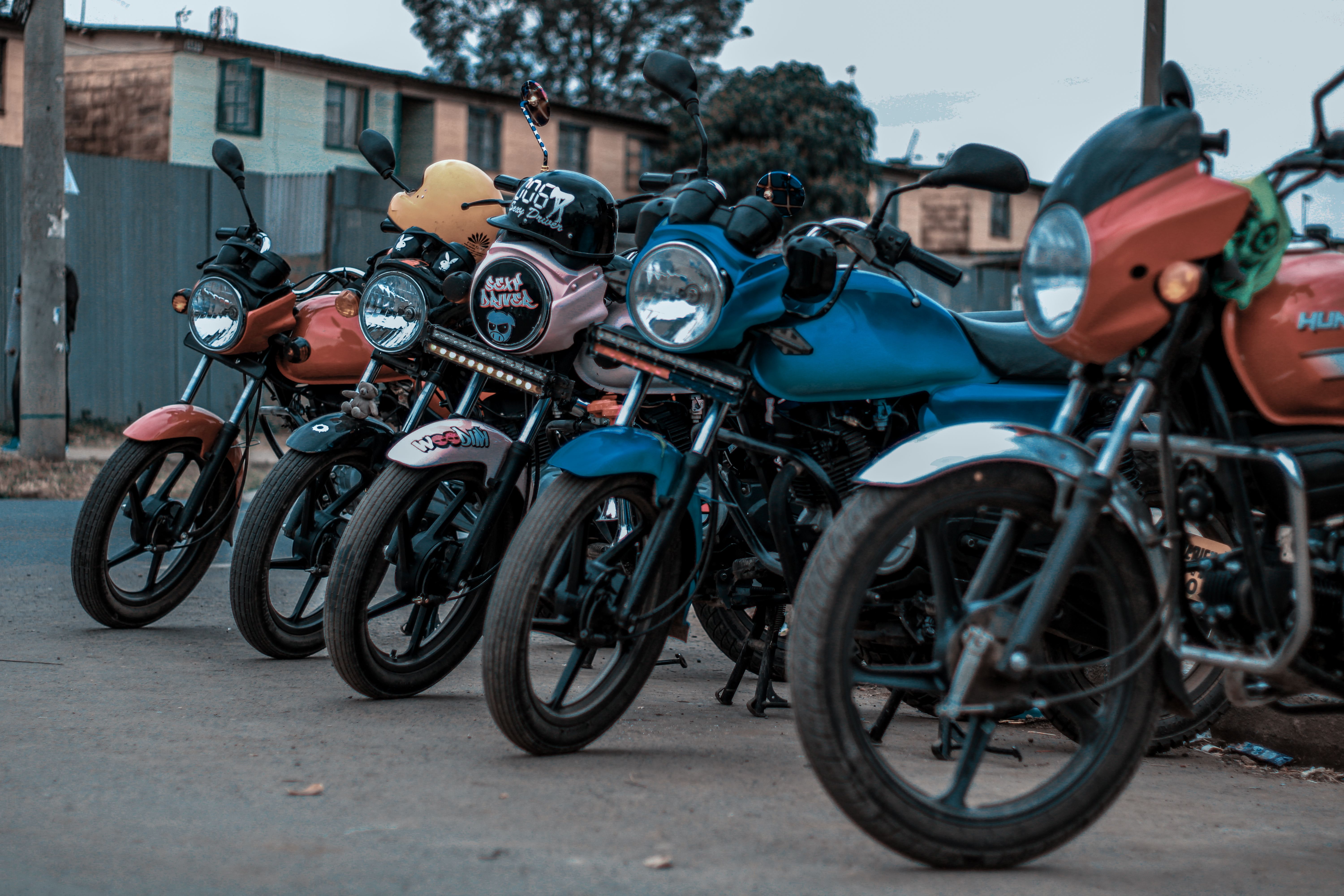
Electric vehicles aren't catching on in Kenya because people suddenly care more about the environment. They're catching on because a boda-boda rider can save hundreds of shillings a day — and in a city where every shilling saved is a shilling toward rent, school fees, or the next day's stock, that math wins every argument about carbon footprints.
This is the part most coverage misses. Company launches get written up. Government targets get quoted. But the actual revolution isn't happening in a showroom or a policy briefing — it's happening at the stage, one rider at a time, for entirely unglamorous reasons: fuel is expensive, and electricity isn't.
The Math That's Actually Driving This
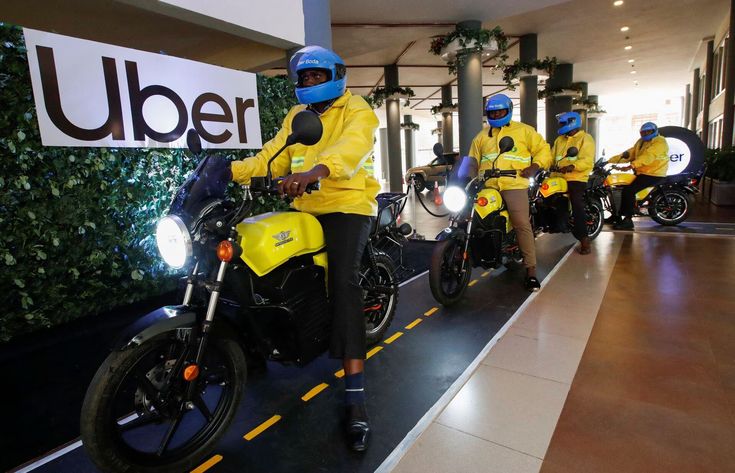
Take Lilian Muyonga, a rider in Dagoretti South. Before she switched, fuel was eating roughly 700 shillings out of her day. Now she spends about 200 shillings on electricity — money she can charge at home overnight, before the day even starts. Cut your single biggest daily cost by two-thirds, and you don't need to be convinced by anyone. You've already done the math yourself.
That's the real headline number in Kenya's EV story: total EV registrations went from under 800 in 2022 to more than 35,000 by 2025 — and the overwhelming majority of that growth is two-wheelers, not the electric cars most "EV revolution" coverage actually pictures.
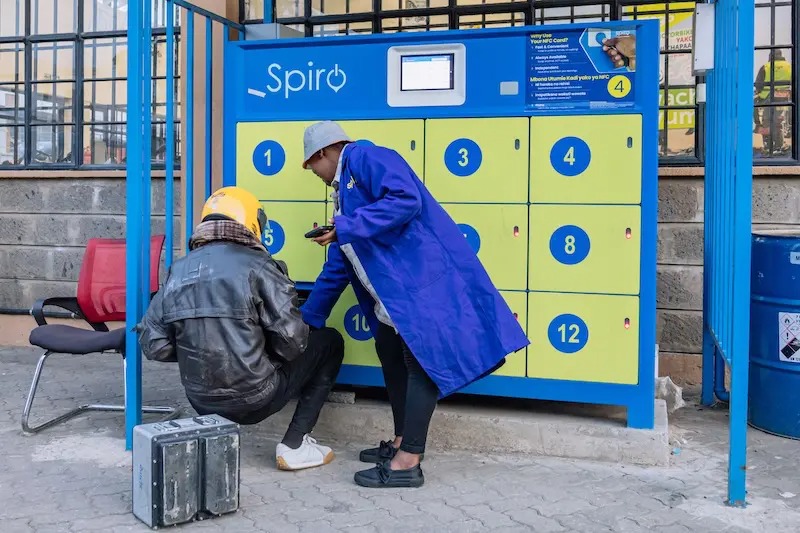
Decision journalism means being honest about the catch, and there is one. Oscar Okite, a Nairobi rider, says he loses up to 500 shillings every time he can't find a working swap point and has to sit and wait — money he can't get back, on a day when standing still costs him directly.
The operator's math is even less settled. George Githinji, who runs a fleet of electric matatus, says the buses cost roughly seven times as much upfront as diesel equivalents — and even after fuel and maintenance savings, he estimates the actual difference in running costs is basically negligible. The rider switching one bike is making an easy call. The operator financing a fleet is making a much harder one.
So, does switching actually save money? For an individual rider near Nairobi's core charging network, yes, clearly. For an operator financing a whole fleet outside that network, the answer is a lot murkier — and that gap is the real story of where this revolution currently stops.
Can Electric Matatus Survive Kenya's Roads?
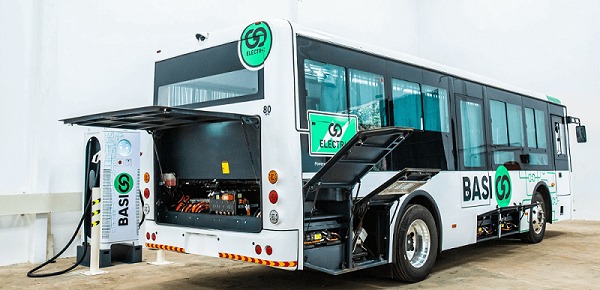
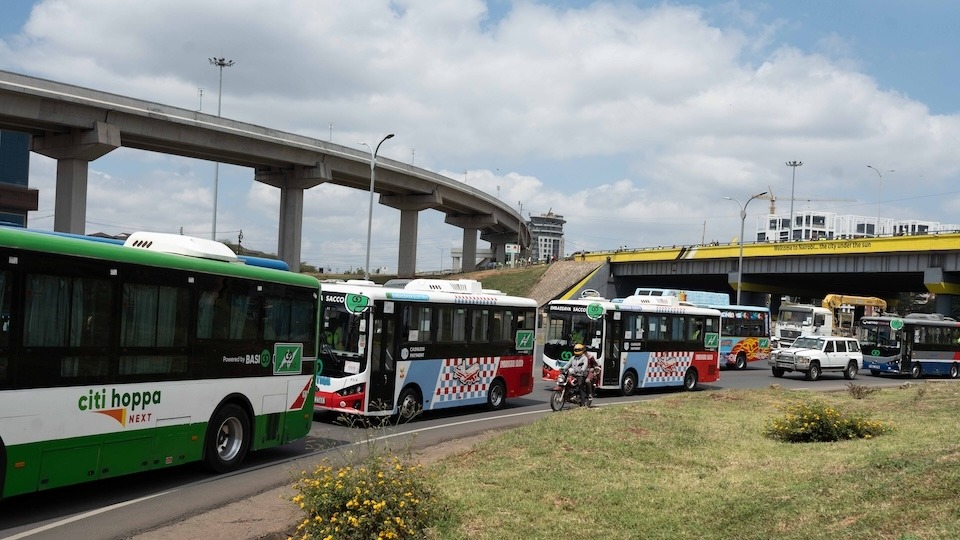
BasiGo is the company betting hardest on yes. Its model removes the upfront cost problem for operators entirely — you don't buy the bus, you pay per kilometre driven, while BasiGo owns the vehicle and handles charging and maintenance.
It just took its next step: in April 2026, BasiGo began locally assembling its Ma3e electric vans in Mombasa, with the first 22 units delivered between April and May, offering up to 300km of range per charge. Worth saying plainly: 300km is a ceiling, not a guarantee — for longer intercity routes, that's a real limit, not a footnote.
Demand isn't the problem. BasiGo has around 500 pending orders with deposits already paid. The problem is that charging infrastructure isn't keeping pace with vehicle delivery — Outer Ring's Matatu Association reserved 68 electric buses but had received fewer than half at last count, a shortfall the operator traces directly to charging capacity, not vehicle availability.
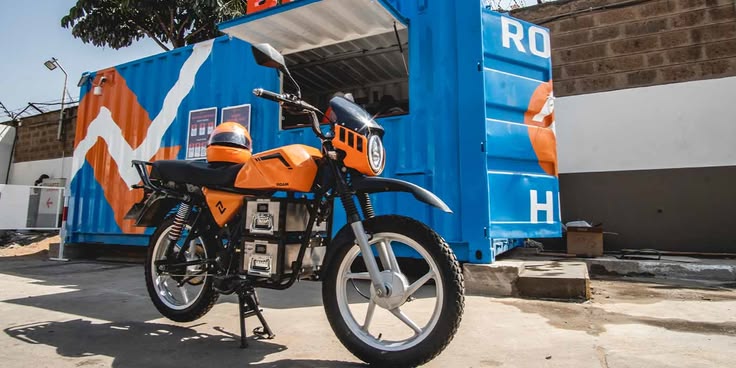
Where BasiGo is chasing buses and vans, Roam builds electric motorcycles designed specifically for Kenya's rougher, unpaved roads — the same roads riders like Lilian and Oscar navigate every day, carrying fares, school fees, and rent money. Roam has also been expanding retail charging partnerships, though coverage still isn't uniform enough to rely on blindly if you're planning a route around a specific point.
Kenya currently has roughly 60 charging stations for four-wheelers and about 300 battery-swap stations nationwide — the vast majority concentrated in Nairobi. Outside the capital, coverage thins out fast, which is exactly why the "is it worth it" answer changes so sharply depending on where you actually ride or drive.
There's real policy tailwind behind this, too. Kenya's National Electric Mobility Policy, launched in February 2026, zero-rates VAT on electric buses, motorcycles, bicycles, and lithium-ion batteries. Parliament also just protected the input-VAT refunds that keep local assembly costs down for BasiGo and Roam, after a proposed Finance Bill change threatened to push motorcycle prices up.
If you're a bodaboda rider near Nairobi's core: yes, increasingly — the savings are real and well-documented, and the infrastructure gap matters less the closer you are to the city centre.
If you're a matatu sacco or fleet operator: maybe — worth getting on a reservation list, but go in knowing the upfront math is genuinely harder than the rider-level story suggests.
If you're an everyday car commuter: not yet. This piece hasn't even touched passenger EV pricing, which remains its own barrier — and the charging gap outside a handful of Nairobi corridors is still too real to call this "solved".
Kenya's EV story isn't a Tesla story, and it was never going to be. It's riders doing arithmetic on their own daily survival, one switched bike at a time — and that's a far more interesting revolution than the one most coverage is telling.
The story people keep trying to tell about Kenya's EVs is a green-future story. The actual story is an economics story, told by riders who did the math before anyone else caught up. That's worth tracking as it keeps unfolding.