Happy Piña Colada Day: The Surprisingly Interesting Story Behind the World's Most Underestimated Cocktail
L
Leisure Collective
Author
228
0
0
Piña Colada Day — the story behind this iconic cocktail is far more interesting than the beach bar reputation it has been saddled with. Cheers.
The cocktail the world keeps underestimating: a Piña Colada Day story worth reading
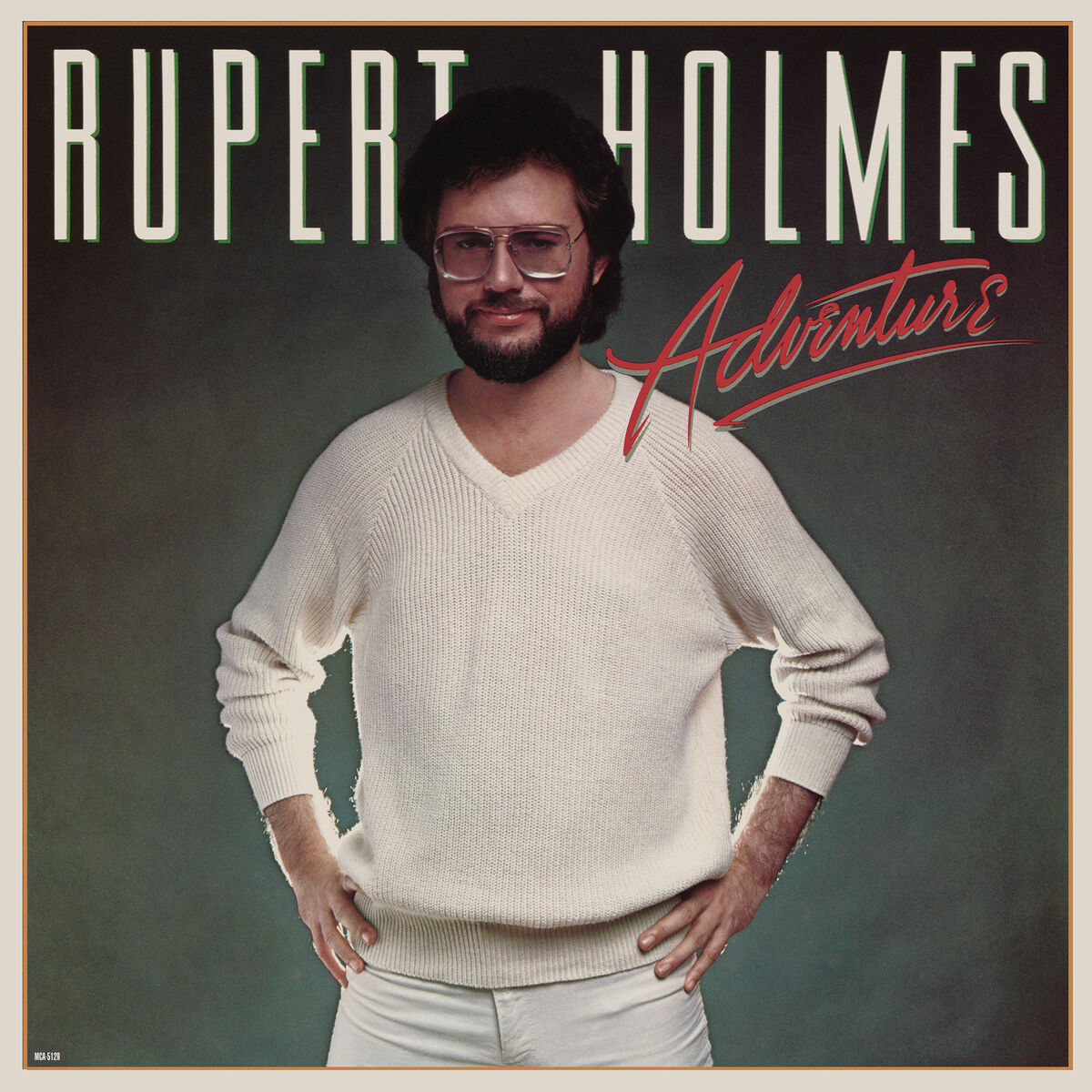
Every cocktail has a reputation. The Martini is sophisticated. The Negroni is discerning. The Old Fashioned is serious. And the Piña Colada? Somewhere along the way it got saddled with the image of a sunburned tourist at a swim-up bar, a paper umbrella, a song by Rupert Holmes and not very much else.
That reputation is unfair. The Piña Colada has one of the most genuinely interesting origin stories in cocktail history, a legitimate claim to national identity and a flavour combination that has remained one of the most ordered cocktails on earth for over 70 years for a very good reason. Today is Piña Colada Day, which is as good an occasion as any to give the drink the credit it has always deserved.
The story starts in San Juan, 1954
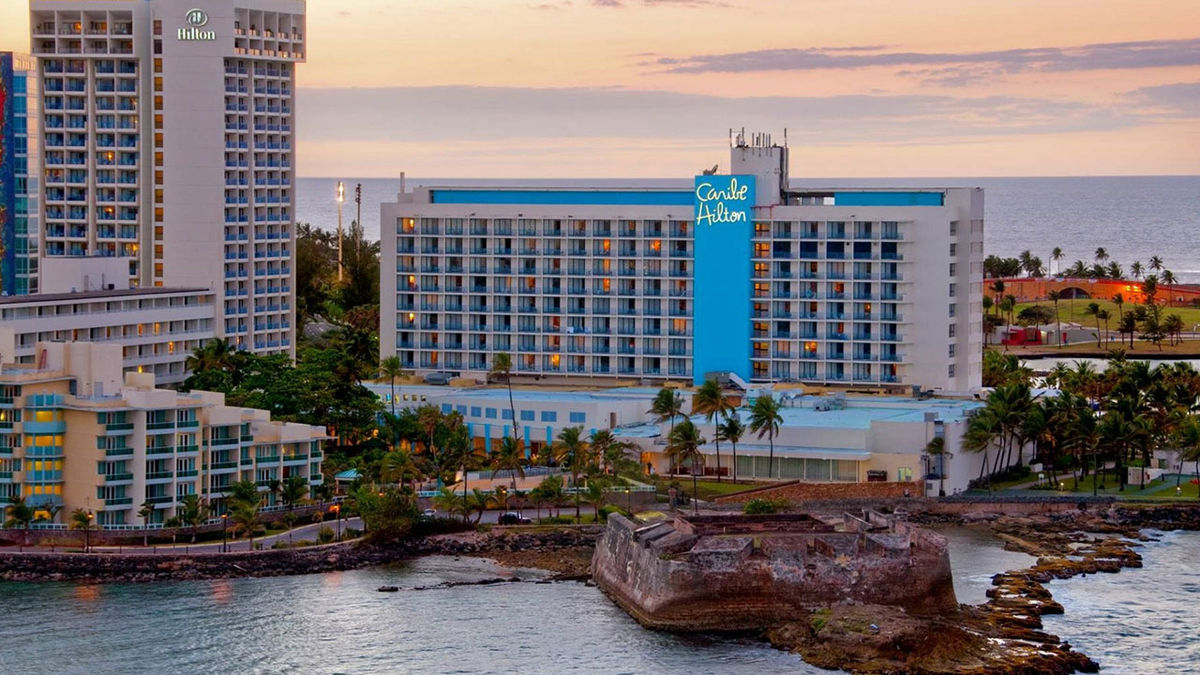
Puerto Rico did not get its official national drink by accident. The Piña Colada was invented, the most widely accepted version of the story goes, at the Caribe Hilton Hotel in San Juan in 1954. The bartender most credited with its creation is Ramón "Monchito" Marrero, who reportedly spent three months experimenting with combinations of rum, coconut cream and pineapple juice before landing on the recipe that satisfied him.
The drink became so associated with Puerto Rican identity and cultural pride that in 1978 it was officially declared the national drink of Puerto Rico. The Caribe Hilton still serves the original version today, and still receives letters from the bartender's descendants. The recipe has barely changed.
There is a competing claim, of course. Roberto Cofresi, a Puerto Rican pirate active in the early 1800s, is said to have served his crew a coconut, pineapple and rum mixture to boost their morale on long voyages. Whether that makes Cofresi the true inventor of the Piña Colada or simply a man who understood that rum and pineapple go well together is a matter of debate. What is not debatable is that Puerto Rico has been central to this drink's identity from the beginning.
What is actually in it and why it works
The Piña Colada is three ingredients in their ideal proportions and the rest is technique.
White rum brings the base spirit. Puerto Rican rum, light and relatively clean in flavour, was the original choice and remains the best fit for the classic version. It does not overpower. It carries.
Coconut cream is not coconut milk and it is not coconut water. It is the thick, sweetened version, most famously Coco López, which was developed in Puerto Rico in 1948 and has been the standard ingredient in the drink ever since. The sweetness is not incidental. It is structural, balancing the acidity of the pineapple and the alcohol of the rum in a combination that should be cloying but is not, when the ratio is right.
Fresh pineapple juice is the third leg, bringing brightness, acidity and the tropical character that gives the drink its name. Piña colada translates from Spanish as "strained pineapple," a reference to the freshly pressed juice that was used in the original recipe long before blenders became a standard piece of bar equipment.
The blending is what most people think of when they picture the drink. But the Piña Colada can equally be built and shaken, which produces a lighter, less frozen version that showcases the individual flavours more clearly. Both are legitimate. Neither is wrong. They are simply different expressions of the same idea.
How it became what it became
The Piña Colada's journey from a hotel bar in San Juan to the most recognisable tropical cocktail in the world was partly driven by the tourism boom that followed Puerto Rico's significant investment in its hospitality industry through the 1950s and 1960s. As the Caribe Hilton became one of the most glamorous hotels in the Caribbean, the drink associated with it traveled with its guests.
What sealed its global identity, whether it deserved to or not, was the 1979 song by Rupert Holmes. Escape, better known as the Piña Colada Song, became one of the last number one singles of the 1970s and permanently embedded the drink in popular culture at a specific register — holidays, romance, mild absurdity and no particular sophistication required.
The cocktail world spent the following two decades slightly embarrassed by it. It was not serious. It was not craft. It was a blended sugar delivery system for tourists who did not know any better.
That view has been quietly revisited. The craft cocktail movement, which initially dismissed anything served with a straw in a plastic cup, eventually reached the point of recognising that the Piña Colada done correctly, with fresh pineapple juice, quality Puerto Rican rum and properly balanced coconut cream, is a technically accomplished and genuinely delicious cocktail. The ingredients are demanding. The ratios are specific. The quality variation between a well-made Piña Colada and a badly made one is enormous.
The drink was always good. The presentation just needed to catch up.
How to make it at home today
The classic Piña Colada is straightforward enough to make well at home with one crucial note: the quality of each ingredient determines everything.
Classic Piña Colada serves 1
60ml white rum (Puerto Rican-style preferred, or any clean white rum available in Kenya) 90ml fresh pineapple juice (fresh pressed, not from a carton if possible) 30ml coconut cream (sweetened, not coconut milk) A generous cup of ice
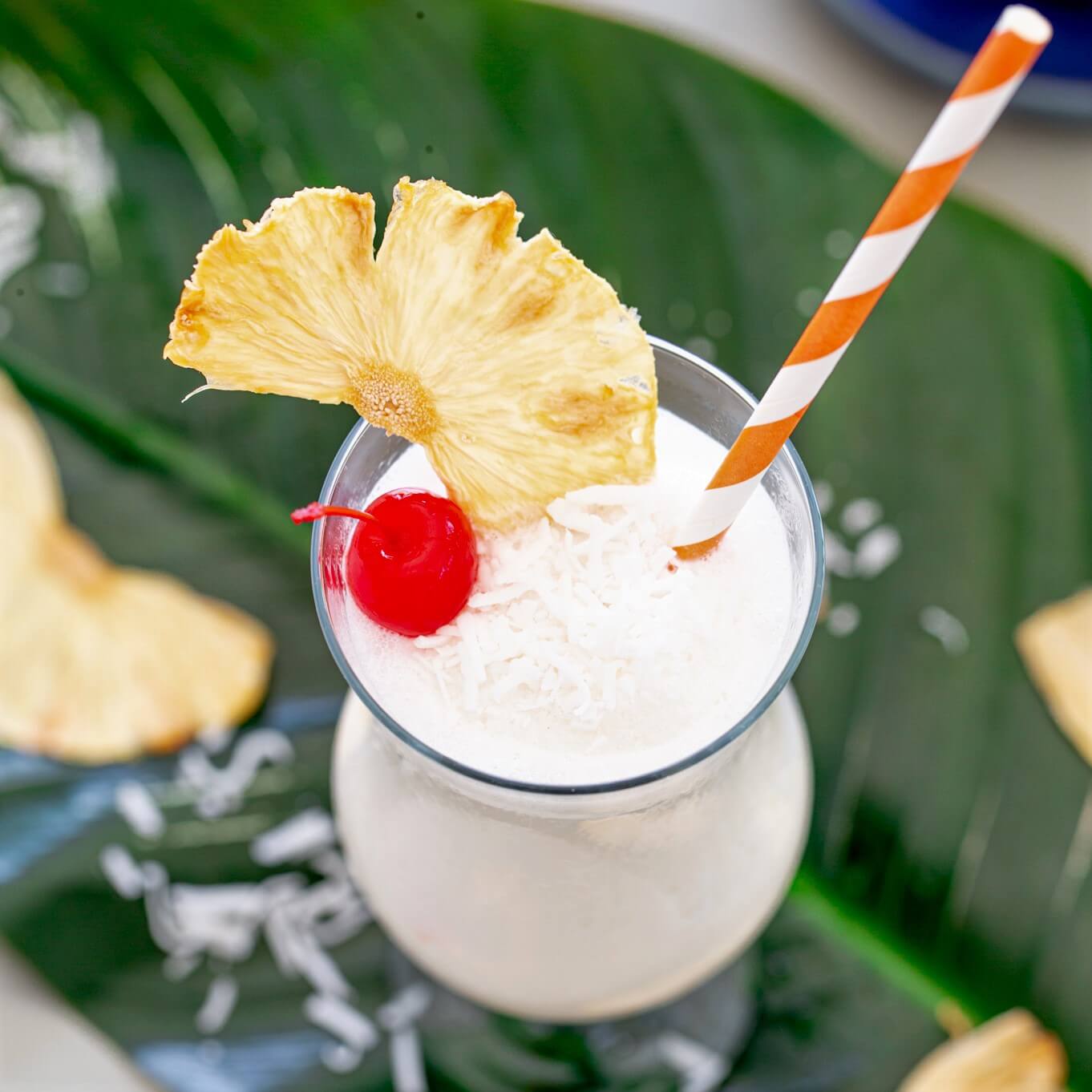
Combine everything in a blender and blend until completely smooth. Pour into a chilled glass, add a pineapple slice and a cherry if you have one, and serve immediately.
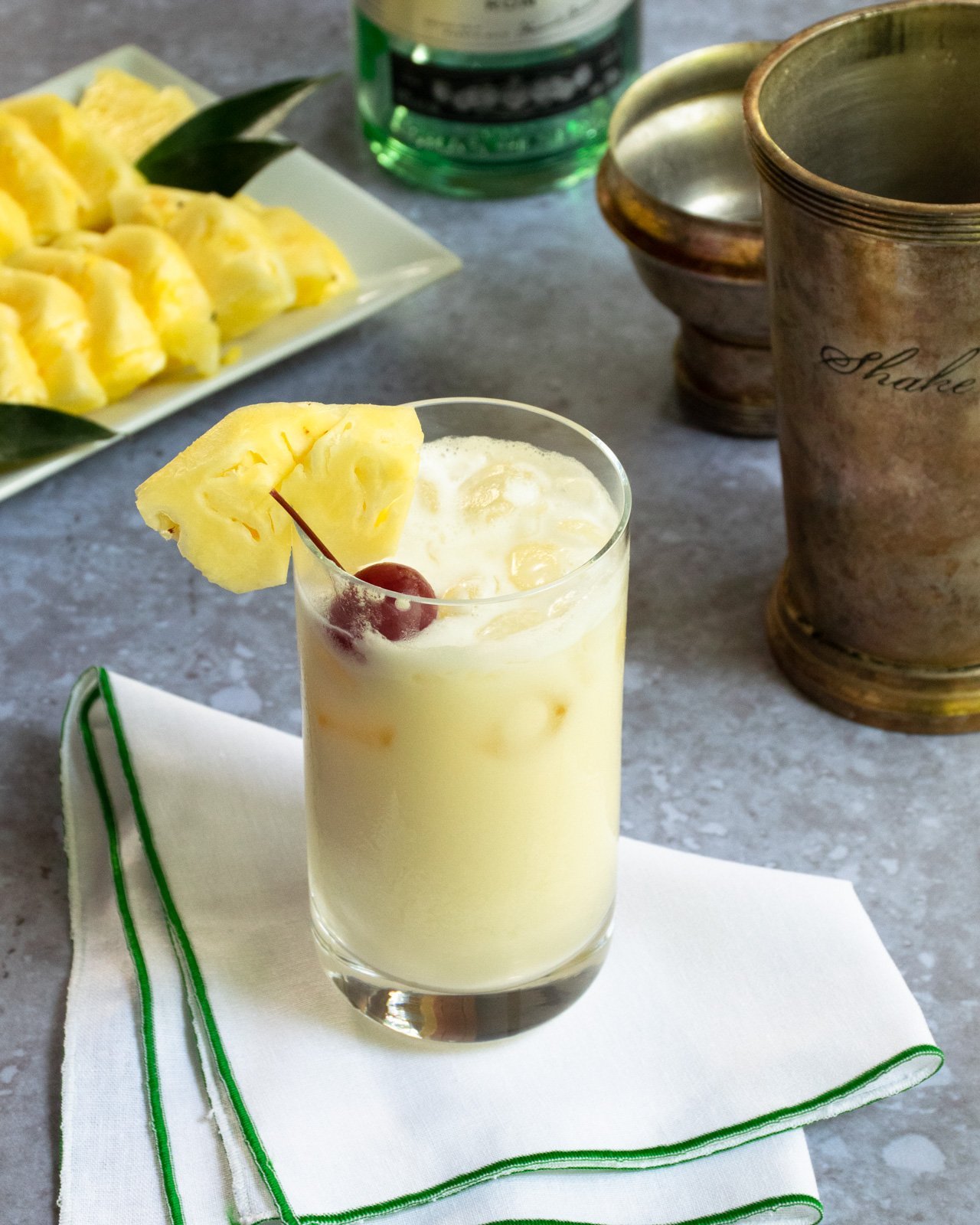
For the shaken version, reduce the ice to a handful of cubes, shake vigorously for 15 seconds and strain into a glass over fresh ice. This produces a cocktail with more texture and more clearly defined individual flavours than the blended version.
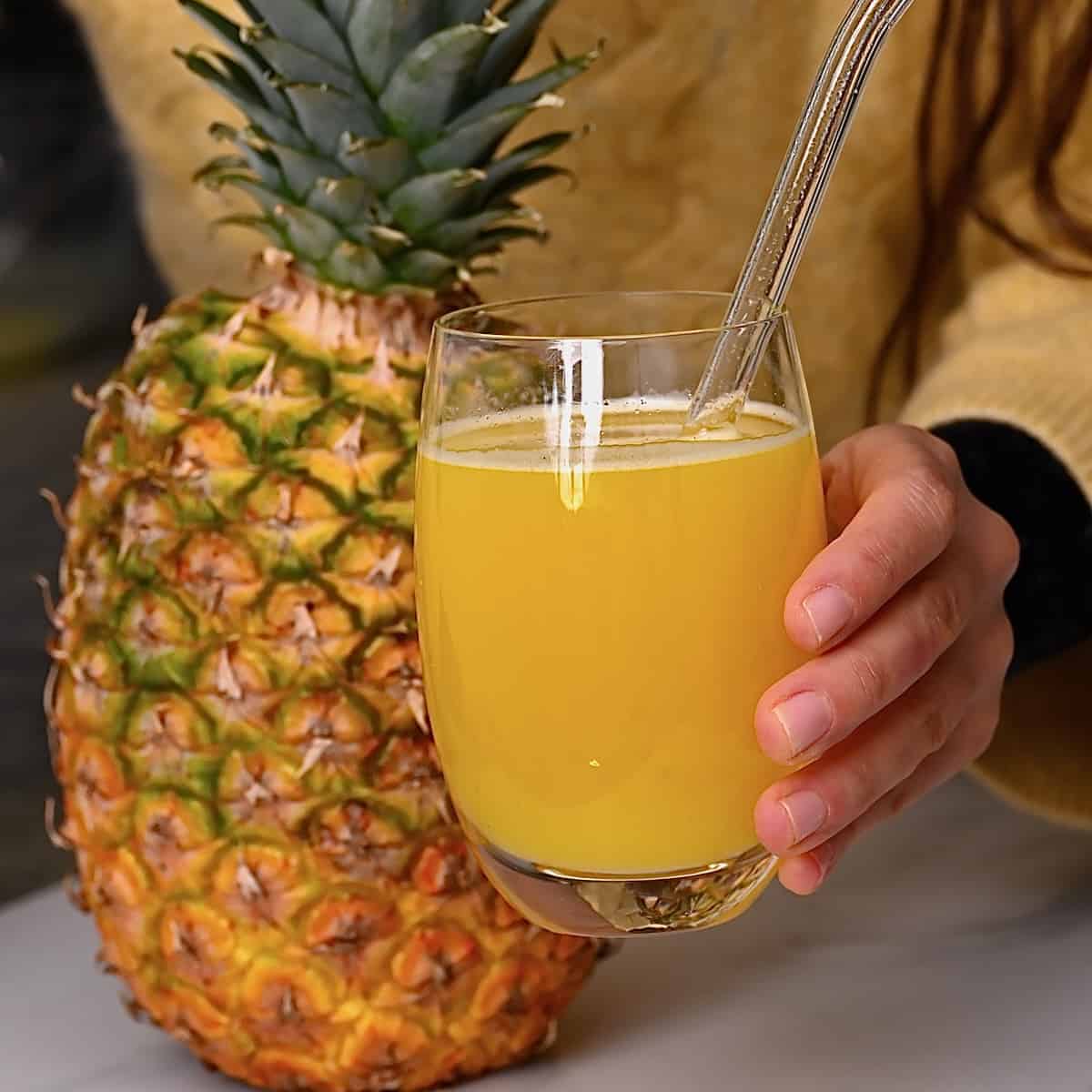
Fresh pineapple versus canned or carton juice makes a more significant difference than most people expect. If you can juice a pineapple at home, or buy freshly pressed juice, the result is noticeably brighter and more complex.
The version worth ordering in Nairobi
The Piña Colada appears on cocktail menus across Nairobi's bar scene with varying degrees of care applied to it. The venues most likely to take it seriously are the ones with dedicated mixology programmes — rooftop bars like Hero in Gigiri, cocktail-focused establishments in Westlands and Karen, and anywhere with a Malibu or white rum on the back bar and an interest in doing more with it than a standard pour.
The best version you will drink today might still be the one you make at home. Kenyan pineapples are extraordinarily good. Coconut cream is widely available. A bottle of white rum is in most home bars. The drink was invented with exactly those ingredients and the same simplicity in mind.