From warm bottles to ice-cold pours: how draught beer quietly changed the way Kenya drinks
L
Leisure Collective
Author
282
0
0
White Cap and Tusker Draught are showing up at the WRC Safari Rally, rugby sevens and F1 viewing parties. Here's how Kenya's draught culture quietly changed everything.
There is a version of this story that most Kenyans over thirty will recognise immediately. A warm bottle. A bar with no refrigeration worth mentioning. A beer that arrived at the table the same temperature as the room it was served in — and somehow, nobody complained. That was just how beer worked in Kenya for a long time.
That story is over. And the way it ended is more interesting than most people realise.
For years, the bottle was the default format and room temperature was the default serve. It was not a preference so much as a norm — beer cold enough to matter was a special occasion, not a standard expectation. As Kenyan consumers began travelling more, watching global sports culture through better screens and dining in environments that reflected international standards, something shifted. The cold, freshly poured draught beer they were encountering elsewhere started to feel like the obvious upgrade.
The problem was infrastructure. Traditional draught systems were large, expensive and technically demanding — requiring installation, maintenance and a back-of-house setup that most Kenyan outlets simply could not accommodate. The technology existed. The demand was building. The gap between the two was a logistics problem that needed solving.
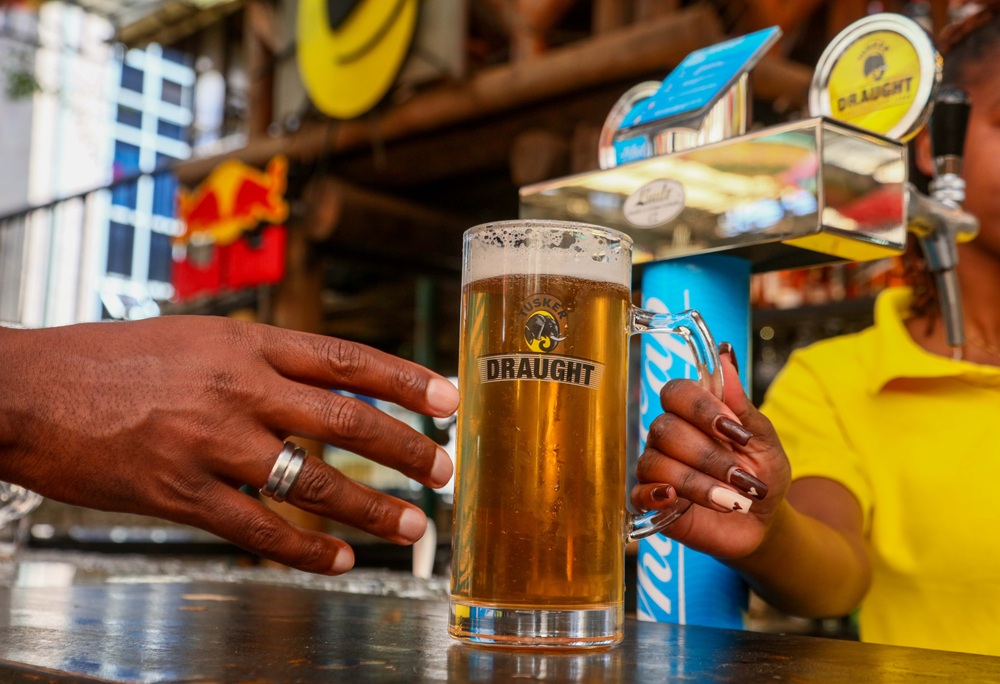
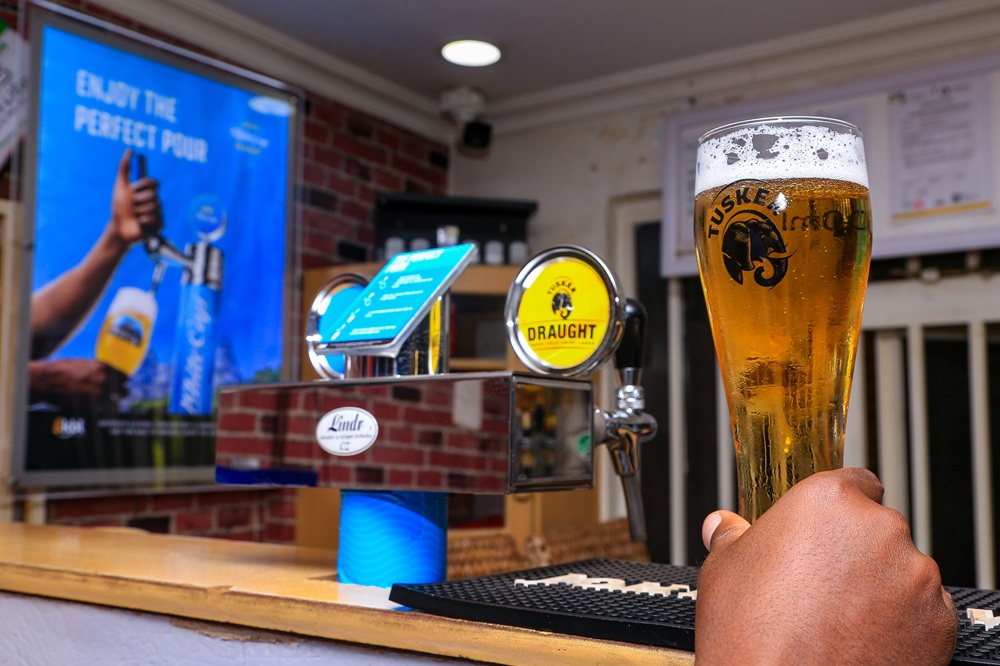
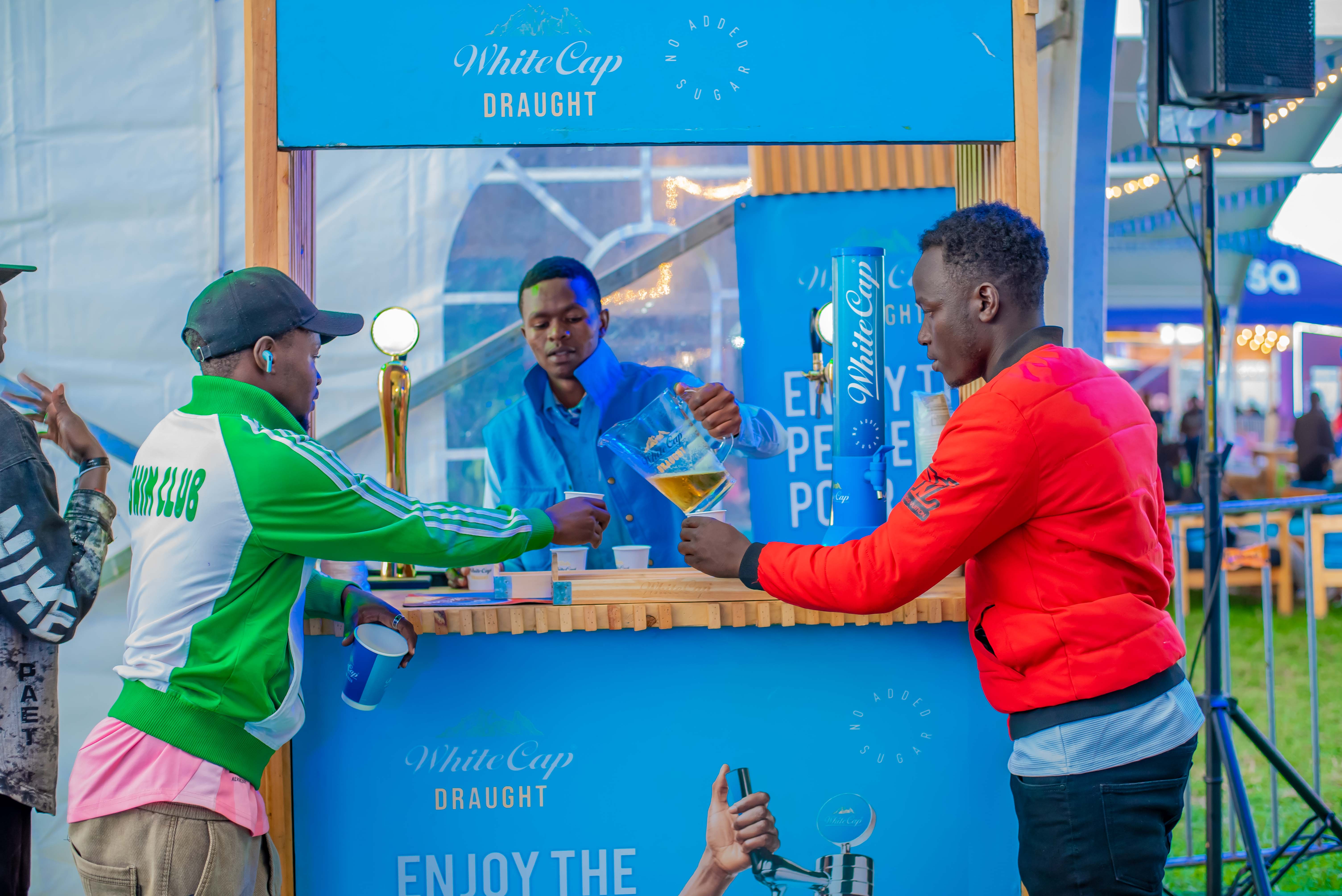
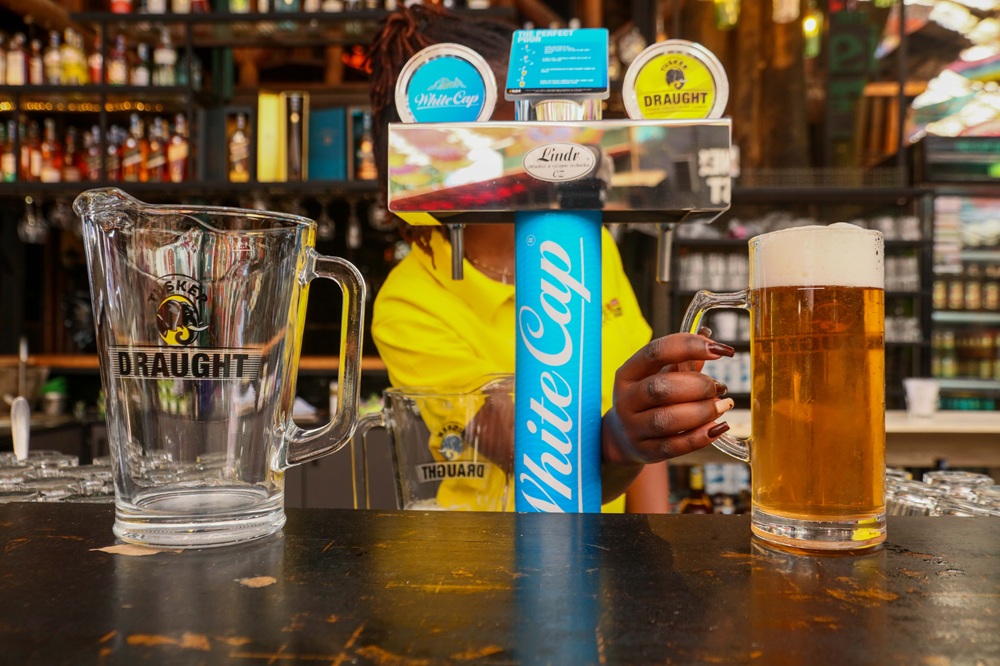
Kenya Breweries Limited addressed it directly. By simplifying the draught machine and making it genuinely portable, KBL reduced the technical barrier that had kept draught out of most outlets — making it possible for a wider range of spaces to offer a brewery-fresh pour without the traditional setup. The machine became smaller. The installation became simpler. And the cold, crisp draught pour became accessible in places it had never been before.
What followed was not simply a product expansion. It was a format shift — and the difference between those two things is significant.
The true measure of how far draught has come in Kenya is not in the number of outlets that now carry it. It is in the kinds of occasions it has become part of.
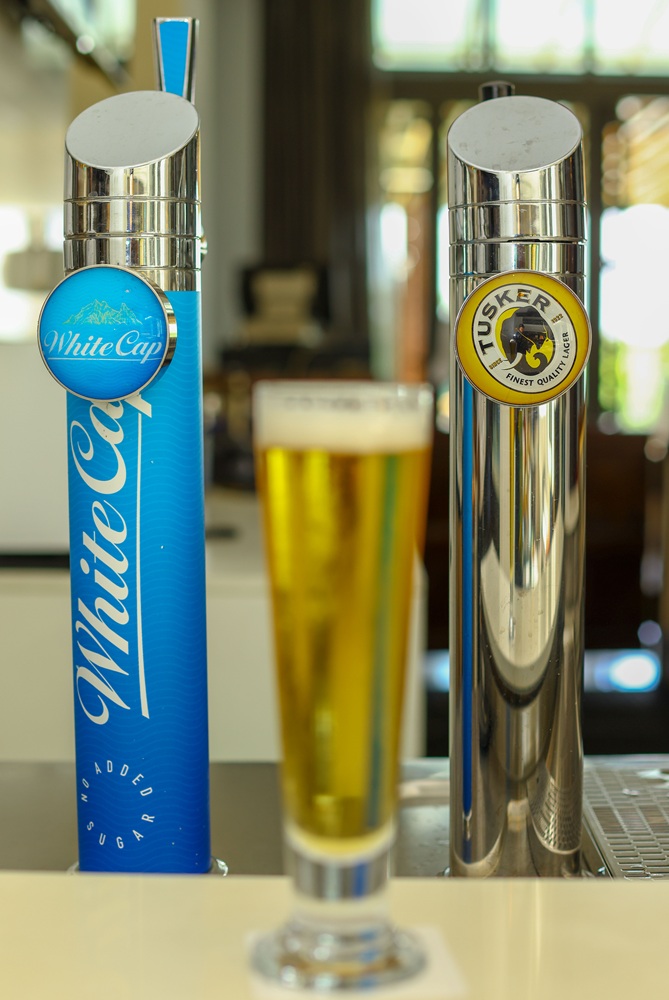
At the World Rally Championship WRC Safari Rally in Naivasha, thousands of motorsport enthusiasts gather for one of Kenya's most iconic and viscerally exciting sporting experiences. Between the adrenaline of rally cars pushing through dusty stages and the collective energy of spectators tracking the action across the course, there are the in-between moments — the spaces where people gather, cool down and process what they just witnessed together. White Cap Draught found its place in exactly those moments. Not as a sponsor presence on a banner, but as the beer people actually reached for when the car had just passed and the next stage was 45 minutes away.
Tusker Draught at Kenya's debut HSBC SVNS Division 2 rugby tournament told a similar story — the right beer in the right place at the right time, for a crowd that had shown up for the sport and found the draught experience as much a part of the occasion as the tries on the pitch.
The Formula 1 viewing culture that has developed in Nairobi over the past several years is its own distinct phenomenon — a social ritual that has long outgrown the race itself. The conversation that builds in the hour before lights out, the debates that punctuate pit stops, the collective anticipation across every lap of a closely contested race — White Cap Draught has become the backdrop against which that community gathers, the cold pour that sits alongside the sophisticated banter and spirited disagreement that good sport always produces.
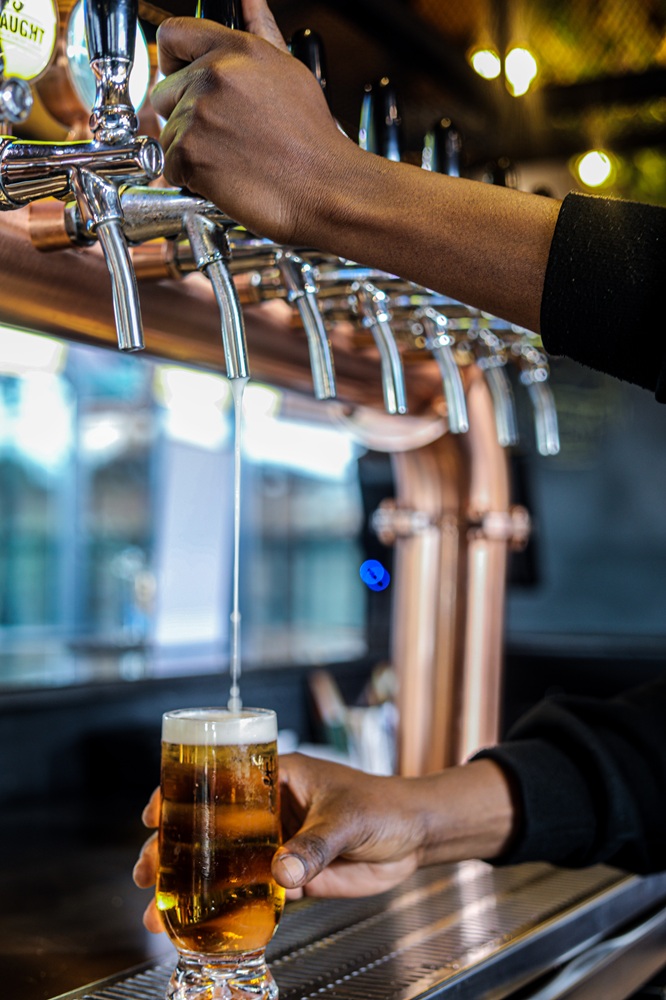
There is something specific that a well-poured draught beer does that a bottle cannot replicate — and it is not simply about temperature. It is about freshness. The draught format delivers beer from the keg to the glass with minimal exposure to light and air, at the precise temperature that preserves the balance and character the brewer intended. The result is a beer that tastes as close as possible to what it tasted like the moment it left the brewery.
That difference registers in the first sip and compounds across an afternoon. A cold White Cap Draught at a rally stage tastes like exactly what the occasion calls for precisely because it is exactly what the occasion calls for — not a compromise, not a default, but the ideal serve.
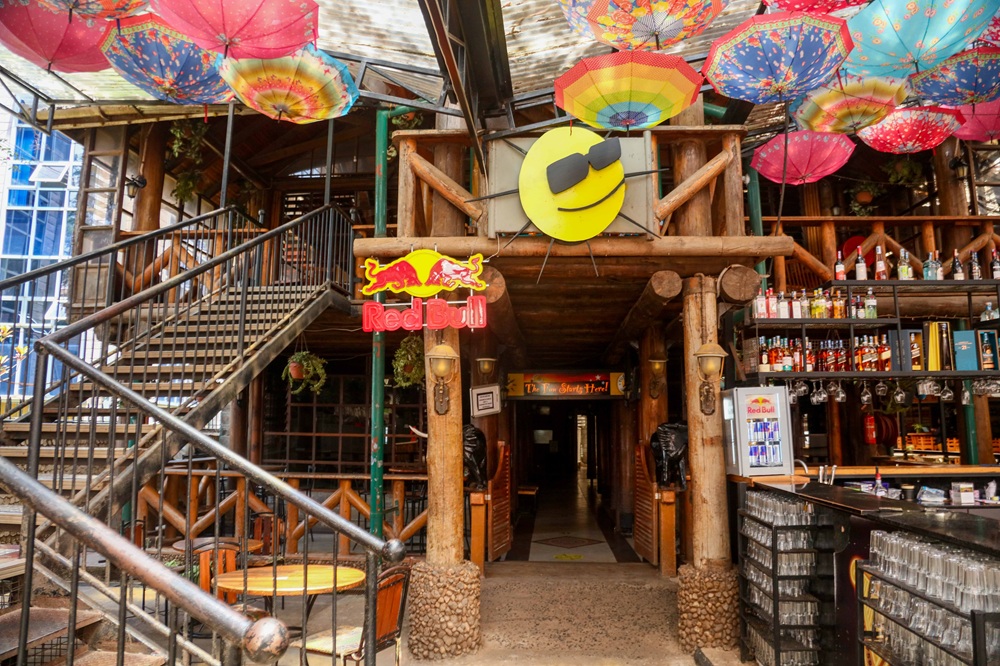
The portability of the new generation of draught machines means that ideal serve is increasingly available in places it would have been impossible to find five years ago. The draught bar has become part of the occasion and the experience — showing up at sporting events, community gatherings, rooftop bars and neighbourhood spots across Kenya in a way that reflects how the format has earned its place in the moments people remember.
White Cap and Tusker Draught are in more outlets, at more occasions and in front of more consumers than at any point in their history. The expansion is ongoing — and each new occasion the format enters is both a commercial development and a cultural one. Every cold pour at a new venue is a consumer encountering the product the way it was designed to be experienced for the first time.
Kenya's beer culture did not change overnight. It changed in the same way most things do — one well-poured mug at a time, in spaces where people were already gathered and the moment was already worth raising a glass to.